

























































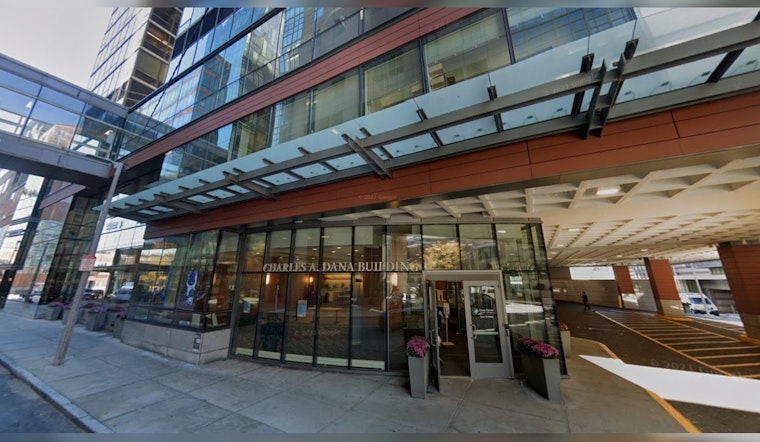
Researchers at the Dana-Farber Cancer Institute have launched a pilot study to assess the effectiveness of synthetic psilocybin, a substance found in magic mushrooms, in alleviating distress for hospice care patients. This study, introduced in 2022, is the first of its kind according to The Boston Globe.
The trial is run through the Institute's Psychedelic-Assisted Therapy program, combining a single dose of the synthetic drug with talk therapy. To date, the study has administered the drug to eight patients, six of whom have since passed. The study aims to be completed next year, with the intention of determining patient tolerance for the drug and the relief provided.
Fascinatingly, it is only the second time a Harvard-affiliated institution has examined psychedelics since the dismissal of Timothy Leary in 1963. In 2006, McLean Hospital tested MDMA, another psychedelic substance, on cancer patients suffering from anxiety but encountered controversy before publishing the results.
Dr. Yvan Beaussant, lead investigator, is studying the potential of psilocybin therapy in relieving "demoralization syndrome," a condition associated with feelings of hopelessness frequently seen in hospice patients. Some patients have reported a renewed sense of purpose and deeper connections with loved ones after treatment according to CBS News.
Despite the fact that psilocybin is illegal outside clinical trials in the United States, the last 15 years have seen increased research into the therapeutic benefits of psychedelics, particularly for severe depression and anxiety sufferers. Some studies suggest psilocybin may deliver mood improvements faster than traditional psychiatric drugs or talk therapy.
Dr. Roxanne Sholevar, a participating investigator at Dana-Farber and psychiatrist, has termed the experiences of terminally ill patients who have undergone psilocybin therapy as profound. She shares accounts of patients who have encountered transformative experiences, such as a realization of death's concept and strengthened emotional connections with loved ones after therapy.
Despite the lingering controversy surrounding psychedelic drugs, interest in their potential benefits has surged. Several prestigious medical schools, including Johns Hopkins, NYU, and UCLA, have established psychedelic research centers, and investors have invested millions into companies exploring the therapeutic applications of these substances.
In 2021, Massachusetts General Hospital founded the Center for the Neuroscience of Psychedelics. The Multidisciplinary Association for Psychedelic Studies anticipates FDA approval of MDMA as a treatment for post-traumatic stress disorder in mid-2024.
Michael Pollan, critic of the U.S. mental health care system and author of the 2018 best-seller "How to Change Your Mind: What the New Science of Psychedelics Teaches Us About Consciousness, Dying, Addiction, Depression, and Transcendence," advocates for the exploration of innovative solutions like psilocybin therapy. This rekindled interest in psychedelics suggests a promising outlook in mental health treatment transformation.





