

























































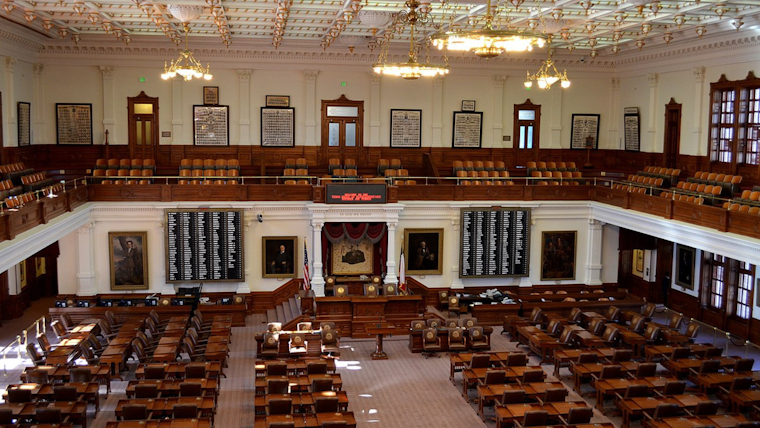
Last Friday, Texan lawmakers in the House of Representatives voted to remove a voucher-like program from a comprehensive education bill, veering away from the Governor's vision of Texas education. This new path significantly varies from Governor Greg Abbott's proposed approach, which endorses education savings accounts that allow the utilization of public tax funds for private education. This program's potential impact on public schools was a cause for concern among critics, according to the Fort Worth Star-Telegram.
The process of rejecting this voucher-like program was a difficult journey. As lawmakers commenced debate on a multi-faceted education bill, they faced a challenge from Rep. John Raney. He is a Republican from College Station who, despite attempts by Republican Rep. Tony Tinderholt of Arlington to counter his move, successfully filed an amendment to extract the education savings account section from the bill. In the final vote, a majority of 84-63 supported the program's removal, with Tarrant County delegation's vote conspicuously divided along party lines.
The controversy over this issue reveals a clear divide among Texans and their representatives. Gov. Abbott and other supporters believe that parents should be able to choose their children's school, while opponents claim the program would siphon crucial funds from public schools. As noted in a previous Texas Tribune article, 21 Republicans from predominantly rural districts sided with their Democratic counterparts to excise the school vouchers from the education bill.
The comprehensive education bill also proposed changes related to school funding and teacher pay, school accountability, and special education, alongside the disputed voucher program. The proposed initiatives include increasing the base amount per student to $6,700 and offering a $4,000 bonus for full-time teachers, nurses, counselors, and librarians in the 2023-2024 academic year. These raises would carry on into the next school year, according to a bill summary reported by the Star-Telegram.
These amendments, too, however, have seen criticism. Educator groups, while advocating for teacher pay hikes, argue that these additional funds should not serve as a strategic gambit to pass vouchers. Clay Robison, a spokesperson for the Texas State Teachers Association, voiced the group's opposition to the legislation. They believe that the funding increases and teacher pay hikes do not suffice even after removing the voucher programs. The tussle over Texas education's direction is far from settled.





