

























































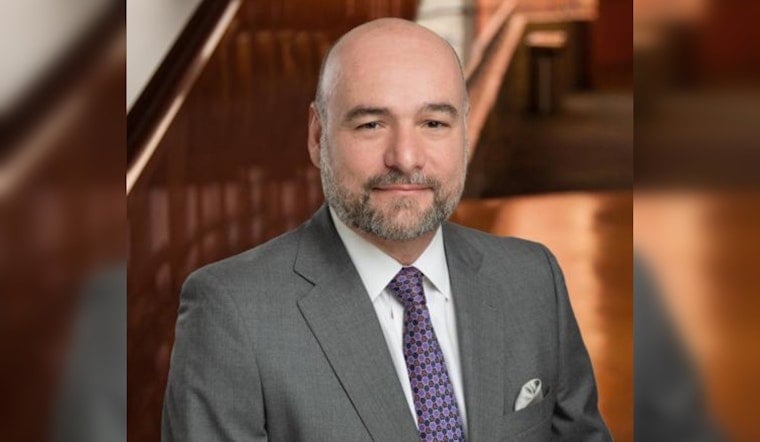
Austin City Council Member Chito Vela is driving transformative changes in the city's housing policy with a series of aggressive reforms designed to tackle the housing crisis head-on. The District 4 representative has been instrumental in what could be dubbed the most progressive overhaul of land use policies in the country.
Eradicating parking requirements on new developments was one of the bold moves the council took, dropping the mandate in a 9-2 vote last month, following a proposal from colleague Zo Qadri back in May. Vela, calling attention to the antiquated and rigid standards of the city, noted in an interview with the Austin Monitor, “We were in a real bind for decades, and I think there was universal acknowledgment that our code was not providing the outcomes we needed.”
Another breakthrough was the Council's approval of the HOME initiative, championed by Council Member Leslie Pool. The decisive 8-2 vote last month will slash the minimum lot size and permit three units per single-family lot, a hopeful beacon for middle-class families who’ve been priced out of the market. The energetic lawmaker told the Austin Monitor, “Over the next five years, I think this will have a substantial but modest impact in terms of housing availability. But over the next 25 years, I think that change will be transformative in terms of what the city of Austin looks and feels like.”
Vela's vision extends beyond just housing policy reforms. As a member of the Capital Metropolitan Transportation Authority’s board, he's played a key role in Project Connect. With meticulous attention to transit-oriented development, the City Council passed the Equitable Transit-Oriented Development plan back in March. Vela explained the imperative for this action, stating, “Before we submit that application for the $2.5 (billion) to $3 billion that we need from them, we have to have better land use along that route. They have made that clear to us.”
Austin's more contentious infrastructure project, the widening of Interstate 35, is also on Vela's radar. He has been a vocal advocate for the "cap and stitch" plan, which aims to improve the cityscape and ease of travel. The Texas Department of Transportation has tacitly accepted the proposal which incorporates civic spaces over the sunken highway stretches. It’s a vision gaining traction, especially with the Council directing $15.4 million toward the initiative's design recently.
Away from infrastructure, Vela has also been vocal on public safety and police reform highlighted by the Austin Police Oversight Act, which passed massively at the polls this May. He's pushing for more comprehensive data sharing and transparency within the police force.
Expectations are high as the city looks to the future, with Vela at the forefront and optimistic about integrating a new full-time city manager to steer ongoing projects. He expressed, “We needed a change in philosophy and leadership...I’m excited about getting a full-time city manager on board as soon as we can. I feel pretty decent about the direction we’re going.” Acknowledging the city management’s past issues, Vela is poised to face the challenges ahead with resolve and what seems to be a clear-cut blueprint for Austin's evolution.





