

























































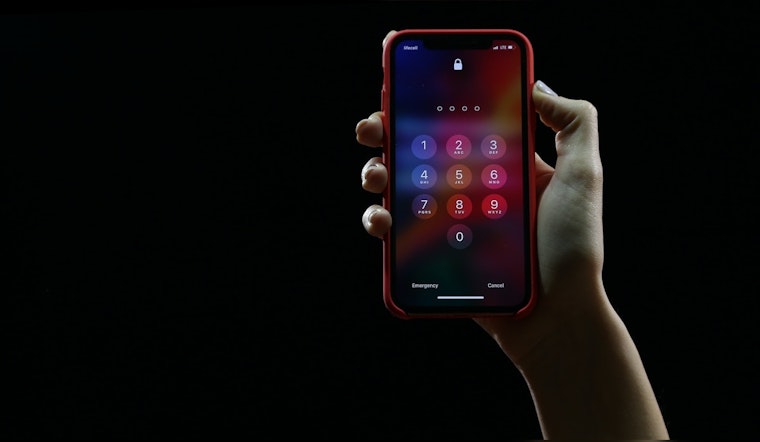
A cunning Minneapolis phone theft ring has prompted major security changes for mobile phone users after 12 men were charged for lifting dozens of smartphones and draining the bank accounts linked to them. The Wall Street Journal recently interviewed Aaron Johnson, part of the ring, who is now serving his time at Rush City correctional facility. Johnson, once homeless and desperate for cash, turned to pickpocketing phones before evolving his tactics to target tipsy college students outside bars, according to what he told the Journal, as cited by CBS News.
"I say I have drugs. They say they want the drugs, and I tell them take my information down. The whole time, I don't have any drugs. As soon as the phones in my hand, I just ask them what's the code or I watch them put it in before they give it to me," Johnson said in the CBS News interview. The thieves' fluency in deception allowed them to seamlessly navigate through victims' contents and finances before victims could blink an eye.
A master of his illicit craft, Johnson, in a short span, amassed around $300,000 from the stolen iPhones. This revelation came during his interview with The Wall Street Journal, as reported by the New York Post. Using unlocked phones, Johnson transferred funds and went on shopping sprees on the victims' dime before sunrise.
"It's kind of like a like a bank robbery. You got to be quick. You got to go to the settings. Go to iCloud, click Reset Password and put the six digit code and make my own password," Johnson told The Wall Street Journal. From there, high-end shopping at places like Nordstrom was just a face recognition beep away. Mark Lanterman with Computer Forensic Solutions underscores the necessity of complex passwords and cautions against the old crimes being committed through new technology in the CBS News report.
Ultimately, Lanterman emphasizes the importance of security over convenience, which many users sacrifice when they opt for simpler authentication methods. "Some may resist the use of a complex password because it's not convenient. But security is not convenient. Whenever we gain convenience, we give up security. And vice versa," Lanterman said to CBS News. He further suggests the additional step of enabling a unique password for individual apps as a layer of protection to keep one's digital life secure from predatory opportunists like Johnson once was.





