

























































A recent gene-editing trial has demonstrated that it may pack a punch in the fight against high cholesterol, a key contributor to heart disease, which remains the number one killer in the United States. The cutting-edge base editing technique used in the study has shown a potential reduction in LDL cholesterol levels by up to 55%, offering hope for those with familial hypercholesterolemia, a genetic condition that often leads to earlier death due to cardiovascular issues. According to a presentation of the American Heart Association's last month, the trial was conducted by Verve Therapeutics and involved a small group of 10 participants.
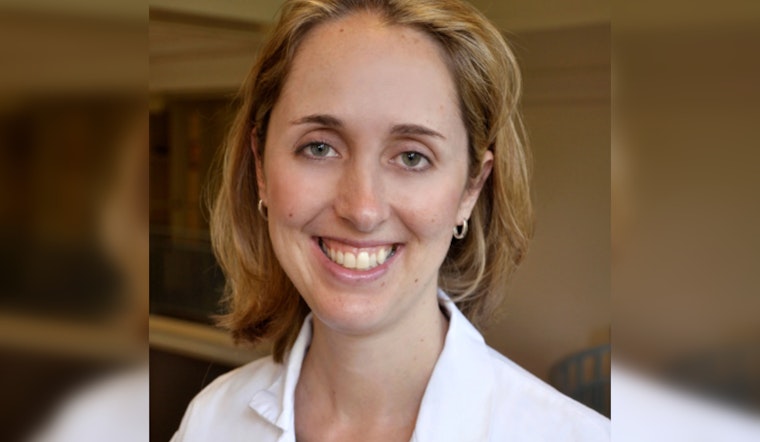
Despite the promising results, there are still concerns regarding the long-term effects and safety of permanently altering a patient's DNA. The Harvard Gazette reports that Michelle O'Donoghue, associate professor at Harvard Medical School, expressed both optimism and caution within the medical community but noted that more study into the technique's longer-term, unintended effects is necessary. O'Donoghue, bringing years of expertise to the table, highlighted the small patient cohort and the absence of a control group as limitations of the trial that inhibit a clear understanding of the treatment's safety profile.
Furthermore, during the trial, there were two serious adverse events recorded—a heart attack and a cardiac arrest, one resulting in fatality. While the treatment was not deemed to be the cause, these occurrences raise questions about the safety and efficacy of the gene-editing strategy. O'Donoghue told The Harvard Gazette, "For many of these gene-editing strategies, you are, in essence, permanently changing that person’s DNA." There is inherent skepticism about gene editing and its reversibility, even as some technologies suggest it may be possible.
In terms of the PCSK9 gene target, O'Donoghue discussed its well-established role in increasing LDL cholesterol levels. Mutations in PCSK9 can either result in increased or decreased cholesterol levels, the latter being associated with a lower risk of cardiovascular disease without major side effects. With other treatments like monoclonal antibodies and interfering RNA already in use and appearing to be safe, gene-editing therapy still stands in uncharted territory, waiting for longer trials before broader applications can be considered. According to the insight from O'Donoghue stated in The Harvard Gazette, "It comes down to which technology is applied."
The interview with O'Donoghue also reiterated the potential impact of such treatments on the broader landscape of cardiovascular disease management, recognizing that while this study marks progress, it is but one step in a series of necessary clinical trials. Before this treatment could be considered for general use, it would have to undergo rigorous testing, satisfying regulators like the FDA about its long-term safety given its irreversible alteration of a patient's genome. The conversation about gene editing as a plausible treatment path continues as the medical community cautiously navigates these new waters in the hope that, one day, advancements like these could revolutionize care for cardiovascular patients.





