

























































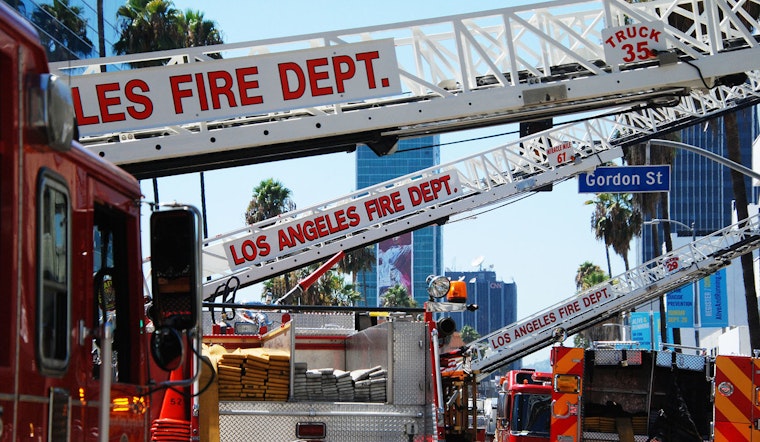
As Los Angeles residents face the aftermath of recent floodings, the Los Angeles Fire Department (LAFD) has issued a guide to help individuals reclaim their lives and property with efficiency and safety. The LAFD's directive encompasses nine vital steps to take following a storm-induced flood or mudslide, emphasizing the importance of health and structural safety before addressing property restoration. The full guide is available on the LAFD website.
The first step, according to the LAFD, is to look after your well-being. Victims should prioritize medical attention if needed and avoid the hazards that pervade after floodwaters have receded. The LAFD warns of weakened structures, damaged electrical systems, and potential contaminants. Resources such as food, clothing, and referrals to social services can be accessed by calling 2-1-1, while assistance from government agencies can be sought using a variety of provided contact numbers.
Securing the home is the second crucial step. Homeowners are urged to wait for the green light from authorities before returning and to proceed with caution once allowed entry. Dangers like chemical spills and electrical shocks persist, hidden within the refuge. LAFD emphasizes personal safety when re-entering flooded premises, suggesting the use of protective gear and keeping children and pets at a distance from the hazards.
Documenting losses and formulating a recovery plan are key components outlined in steps three and four; The LAFD instructs residents to meticulously record damages for insurance claims and to focus on adequately drying out their homes to thwart mold growth. They also advise on the importance of restoring utilities like electricity, water, and sewage services only through certified professionals as per the fifth step.
The cleanup process, noted as step six, highlights the need for discarding contaminated food and extensively cleaning affected areas of the home. The LAFD guide insists on thorough disinfection and reaffirms the principle of caution, advising, "When in doubt, throw it out!" to avoid risks of injury or infection.
Financial assistance, rebuilding, and future flood preparedness make up steps seven to nine. Residents are encouraged to explore various avenues for aid, from insurance to governmental disaster programs. Moreover, reconstruction should be approached deliberately, with investments made in flood-proofing and other safeguards against subsequent disasters.





