

























































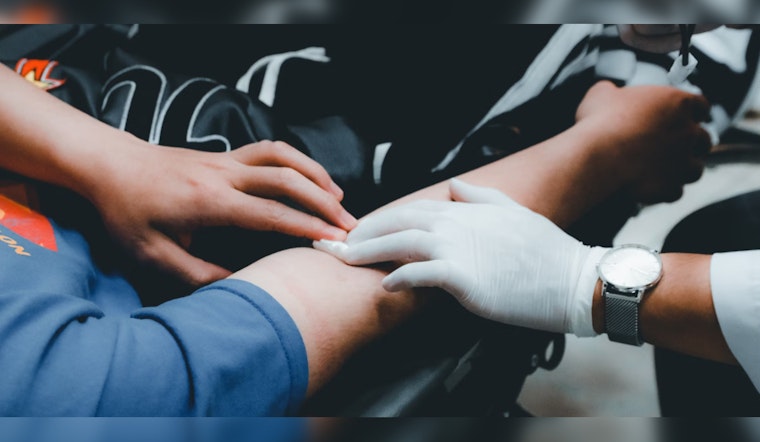
San Antonio is pumping new hope into emergency medical responses with a pioneering blood transfusion program, one that's catching the eye of Dallas-Fort Worth's trauma caregivers. Dr. Donald Jenkins worked his medical magic and saw firsthand how delivering blood promptly could shift the outcome of mortality. Now, the trauma surgeon with UT Health San Antonio and University Hospital is pushing to replicate that life-saving immediacy on American streets, according to Dallas Morning News.
Since 2018 in San Antonio, over 2,100 patients have had their fate reversed, receiving timely blood transfusions while en route to hospitals after various traumatic incidents. Jenkins' brainchild is not only to reduce the time it takes to deliver critical care but to directly deliver life, quite literally, through the veins of those in most desperate need, Dr. Jenkins told the Dallas Morning News, "We're not looking for a patent. We're not looking to make money off of this. We just want to see people live."
Healthcare leaders are feeling the pulse of urgency to address their own bleeding issues. The majority of ground-based EMS have yet to implement similar blood transfusion programs. A stab victim who could have benefitted from immediate blood access left an indelible mark on Kristie Brown, the director of trauma services at Parkland Health. "It's heartbreaking for the paramedics to not be able to provide some care for that patient who's bleeding out," she stated, as per Express News.
But it's not just about slapping blood bags into ambulances and calling it a day. The Dallas-Fort Worth area is a sprawling metropolis with a complex network of health systems and EMS agencies, making synchronous operations a challenge. Officials from Dallas Fire-Rescue are looking to pilot their own program, intent on following in San Antonio's lifesaving footsteps. The sizable headache of coordinating such a regional response is something Rick Antonisse, director of North Texas' regional trauma council, likens to playing "three-dimensional chess."
Carter BloodCare, the knight in shining armor for blood banks in North Texas, is doing a delicate dance between supporting EMS needs without depleting vital hospital reserves. Supply constraints are real, and with Dallas Fire-Rescue and MedStar Mobile Healthcare handling a dizzying number of calls annually, a balance must be struck to ensure blood is available for those who need it both on the road and in hospital beds.





