

























































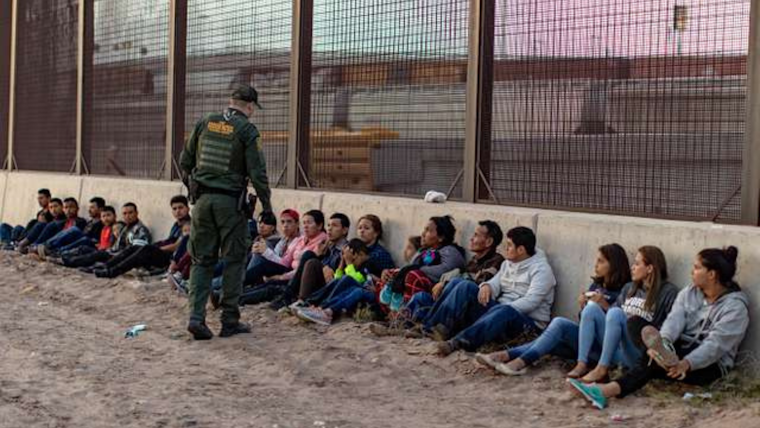
San Diego County has become the drop-off point for over 50,000 migrants since September 13, as confirmed by Supervisor Jim Desmond. The surge in illegal crossings across the nation has reached an alarming rate of more than 10,000 per day, overwhelming the Border Patrol and local resources. "Since September 13, more than 50,000 migrants have been dropped in San Diego county," Desmond posted on X, expressing the immediate need for federal intervention.
Since September 13, more than 50,000 migrants have been dropped in San Diego County.
— Supervisor Jim Desmond (@jim_desmond) December 11, 2023
Illegal crossings across the country have surged past 10,000 per day, painting a stark picture of the overwhelming challenges Border Patrol faces. The strain on resources, infrastructure, and…
Local authorities feel the crunch, as depicted by El Cajon Mayor Bill Wells, who told CBS8, "This is a problem caused by the federal government." California's existing challenges with homelessness exacerbate the impact of the migrant influx on the already stretched-thin police, hospitals, and other critical services. Wells added, understanding that the situation is different than in other border states like Arizona or Texas, which don't face similar homeless issues.
Amidst growing concerns, the San Diego County Board of Supervisors has allocated $6 million to assist with migrant services, focusing on a center operated by South Bay Community Services. However, Supervisor Desmond opposes allocating local tax dollars for what he considers a federal responsibility. He highlighted this stance post on X, underscoring the mounting expenditures and growing problems.
Non-governmental organizations are shouldering much of the immediate response to the migrant situation. Pedro Rios, Director of the American Friends Service Committee, told CBS8, "There's absolutely concern. There's a concern that a lot of our organizations are being tasked with doing work that should be the work of the federal government." Rios emphasizes the need for a more strategic and efficient use of the funds to ensure maximum support for migrants.
One particularly hazardous area of concern is the space between the border walls, used by Border Patrol to detain migrants, exposing them to harsh elements. Rios argues for a more humane and efficient asylum process and a need for greater collaboration between federal, state, and local governments to address the escalating crisis in a statement obtained by CBS8, saying, "We would like to see a better process for how those funds are used and in a more efficient way so that migrants can get the maximum use of resources."





