

























































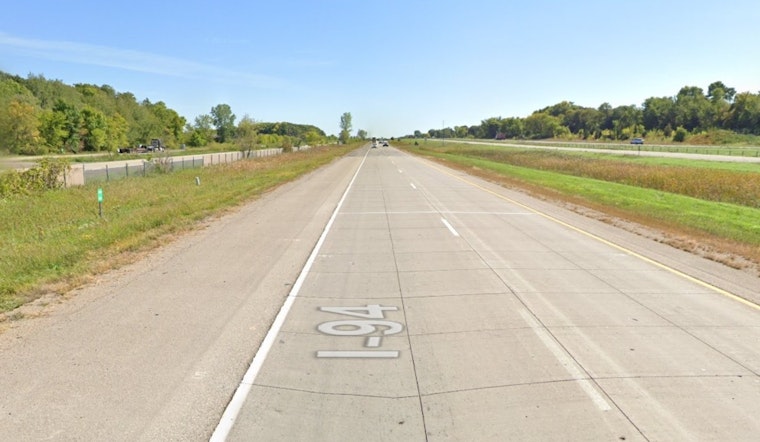
Metropolitan movers and shakers just shifted into high gear with a spate of big-budget road projects aimed at putting the brakes on bumper-to-bumper traffic woes. In a rollout that sets the pace for regional transit upgrades, the Metropolitan Council hammered down on plans to broaden the lanes and safety measures on some of the Twin Cities' critical conduits.
Two major projects will see the light of day in Wright and Scott counties come 2024, with the I-94 expansion and a fresh interchange on the docket. Spearheading mobility efforts, the Met Council is working in tight formation with MnDOT and local governments. Not just content with managing transit, they’re pushing to put plenty of options on the table for commuters, confirming to the Metropolitan Council their full-throttle approach to transportation.
"We’re also highway planners, working closely with MnDOT and local governments, to ensure we make transportation choices available that provide mobility throughout the region," explained Charles Carlson, the executive director of Metropolitan Transportation Services, in a nod to the popular notion that Met Council's bread and butter is with buses and rails.
In the 'burbs of Maple Grove, Mayor Mark Steffenson is betting that the I-94 freeway expansion will throttle down on traffic snarl-ups, revving up local business and driving a stake through the heart of the current crawl times. "The ability of this artery to handle capacity efficiently and safely is key to Minnesota’s vitality," Steffenson told the Metropolitan Council.
The Council's still got a few more projects up their sleeve, though. With tricks like expanding Highway 10 in Anoka County and turning a couple of intersections in Dakota County into grade separations, they're not leaving anything on the table. Enthusiastic over the slated improvements, Joe MacPherson, Anoka County Transportation & County Engineer, lauded the initiatives. He said "Both of these projects will improve reliability, safety, and mobility along their respective corridors," in the same statement.
Scraping together funds from various coffers, the financial patchwork for these infrastructural facelifts stretches from state Corridors of Commerce dollars to local tax revenue, and even a dip into the pool of federal funds, the statement further details.





