

























































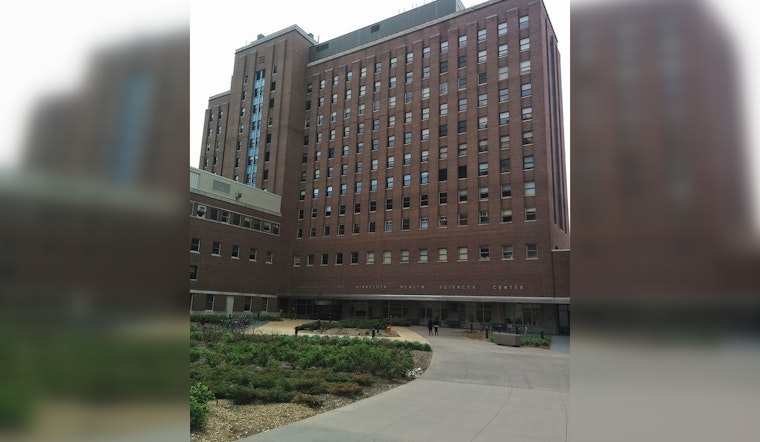
Monday marked a milestone for Minnesota’s medical community as the ink dried on a historic expansion of the University of Minnesota's Medical School. In a bid to address a critical shortage of healthcare providers in rural areas, the University of Minnesota has teamed up with CentraCare to expand its medical program for the first time in half a century. The signing ceremony in St. Cloud saw University of Minnesota Medical School and CentraCare officials celebrating a bold step to transform medical education and care delivery, as reported by KSTP.
Centered in the heart of Minnesota's healthcare landscape, CentraCare is providing a 60,000-square-foot facility to house the new regional campus, with the first cadre of 24 medical students expected to begin their journey in 2025. Officials at Monday's ceremony, including the University of Minnesota Medical School’s dean, Dr. Jakub Tolar, and CentraCare's president and CEO, Dr. Ken Holmen, expressed their hopes for these future physicians—trained in a rural setting, might they stay and directly impact the communities from which they sprung.
An investment of this magnitude does come with a hefty price tag, one that pulls on the collective purse strings of the citizens it aims to serve. The Minnesota State Legislature ponied up $15 million for the project, with detailed plans that earmark $5 million for the design and $10 million to support the program itself—a financial puzzle with pieces meticulously fitting together to form a clear image of progress and innovation. The project, which includes a generous contribution in the form of real estate from CentraCare, is also boosted by a $50 million fundraising campaign, according to CBS News Minnesota.
The need for more doctors has echoed throughout the region, amplified by Minnesota, which has ballooned in population by 50% since the last time the medical school expanded its Duluth campus in 1972. In stark contrast to the demands of the day, only 11% of physicians practice in rural communities, where 20% of the U.S. population lives. Even more, a mere 4% of incoming medical students hail from these communities, a fact that intertwines with a harsh reality—the urban-rural divide in healthcare is not only a line on the map but a gap in the well-being of the populace.
By training the healers amongst those they are meant to serve, the University of Minnesota and CentraCare herald a new day for rural health. With classrooms set to open in a scant two years, the vision of better, closer, more personal care takes form in architects’ renderings and infrastructural investments—and ultimately, in the impact of a physician's compassionate touch on the heartland of America.





