

























































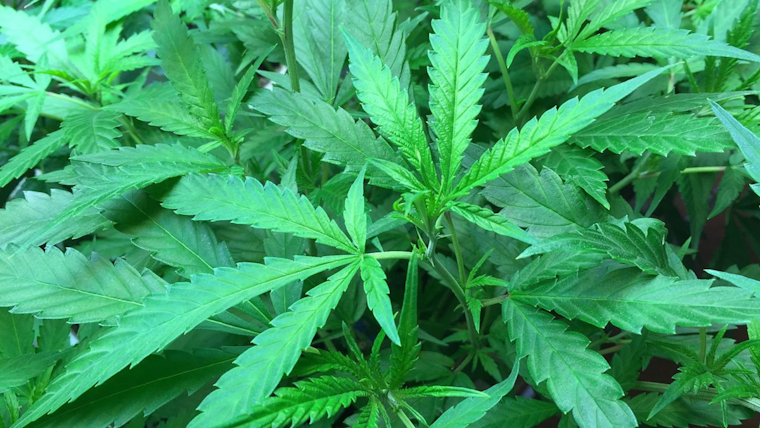
A groundswell of support is mounting in Dallas as a community-backed petition seeks to shift the legal landscape regarding marijuana possession. Activists are gathering signatures with hopes of planting the "Dallas Freedom Act" on the November electoral docket. A hefty quota of 20,000 John Hancocks is the threshold to hit, drawing from the wellsprings of civic engagement to kindle change in municipal drug policies. In the discipline of aggregation, one finds local organizations like Ground Game Texas and Dallas Action amongst the vanguard, according to a report by WBAP News.
In commentary furnished to Fox4News, Changa Higgins of Dallas Action noted the elephant in the room—that the city's jails are brimming with misdemeanor marijuana arrests. "Our jail is full of people arrested for misdemeanor arrests," Higgins said. "And when you look at misdemeanor possession of marijuana, it's no different." These revelations are intended not just to influence but to overhaul how Dallas police handle minor marijuana offenses, severely curtailing the current "cite and release" approach to possession of small amounts, per FOX 4 News.
Not content to simply prevent arrests, the Dallas Freedom Act would also dry up funding for THC concentration tests—the linchpin in distinguishing between legal hemp and illicit marijuana. Ground Game Texas's executive director, Julie Oliver said, "To amend the city of Dallas charter so that police do not give folks citations or arrest folks for misdemeanor marijuana possession," underlining the proposed ceramic change to city policy, according to FOX 4 News.
Moreover, the act's ramifications touch upon the racial disparities prevalent in marijuana-related arrests. Dallas Action's research extrapolated a distinct imbalance: Black residents are disproportionately represented in these arrests, despite a lower prevalence of cannabis use compared to their White counterparts, as highlighted by the National Institutes of Health data. This incongruence was spotlighted by Higgins where he cited statistics from the Dallas County District Attorney's Office revealing high rejection rates for misdemeanor cases.
Frustration lingers in the air from past efforts in the realm of decriminalization, particularly recalling Denton's 2022 ordinance which city officials declined to enforce. The Dallas movement now stands at a crucial crossroads, its success hinging on whether it can amass the requisite support to catalyze a genuine shift in the municipal approach to marijuana possession—a change that could resonate beyond the city's borders and throughout the state of Texas.





