

























































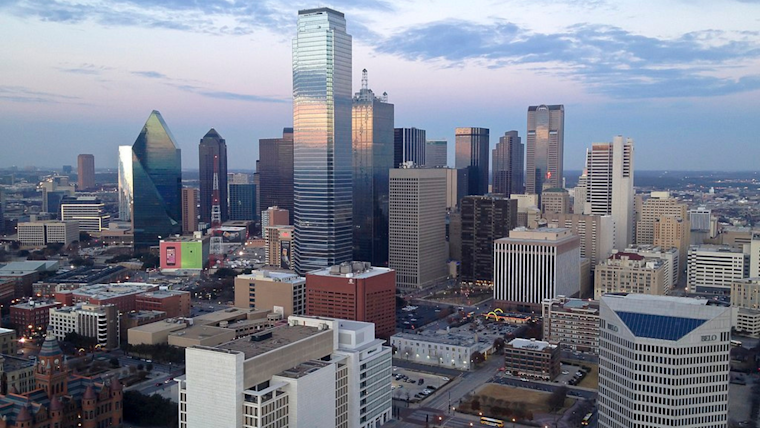
In a bold move addressing housing demands, Dallas developers are transforming empty office spaces into upscale living quarters. In the city's downtown, one in five office buildings stands vacant, a silent testament to the pandemic's enduring impact on the workplace. This phenomenon has sparked a creative solution, repurposing these structures to meet the residential needs of the city's growing population. The upscale conversions include luxury rental homes with amenities like new kitchens and bathrooms, as Pacific Elm Properties CEO Jonas Woods proudly showcased in a former corner office now converted into a plush three-bedroom home, NBC DFW reported.
Despite a significant rebound in on-site work, office space appetite remains substantially lower than pre-COVID levels. Recognizing the shifting landscape, property owners are adapting to the changing times by pursuing residential conversions. The Santander Tower, owned by Pacific Elm, epitomizes this trend as it integrates residential units with its remaining office spaces. According to The Texas Tribune, the company plans to repurpose nearly a quarter of its 6.5 million square footage of office space into residential units, adding approximately 1,100 new homes to the city's core.
While downtown Dallas revels in the trend, affordable housing concerns persist. Luxury units may satiate a segment of the market, but as one new resident from Baltimore, Tanya Shuford, expressed to NBC DFW, affordability is a pressing issue. In a concerted effort to prioritize inclusivity, Downtown Dallas Inc. CEO Jennifer Scripps emphasized the necessity of integrating workforce housing alongside higher-end developments, stating, "We know we need workforce housing to put in that mix."
While the allure of converting offices into swanky apartments is strong, the undertaking is far from simple. The cost associated with retrofitting office buildings for residential use is substantial, with installing kitchens and bathrooms every thousand feet being more complicated than standard office outfitting, Woods told NBC DFW. Nonetheless, many other Dallas buildings could undergo a similar metamorphosis, with support from city and federal entities bolstering the movement. This is evidenced by the Biden Administration's directive for federal agencies to facilitate the office conversion process for affordable housing needs.
The phenomenon isn't unique to Dallas, as urban centers across Texas, including Austin, grapple with similar challenges. The Texas Tribune reports that nearly 20% of office spaces in Austin's central business district are unoccupied—a substantial increase from the pre-pandemic figure of 6%. With the city under severe housing strain, projects to convert these empty spaces into homes have garnered the support of local policymakers, such as Austin City Council member Zohaib "Zo" Qadri.





.jpeg)