

























































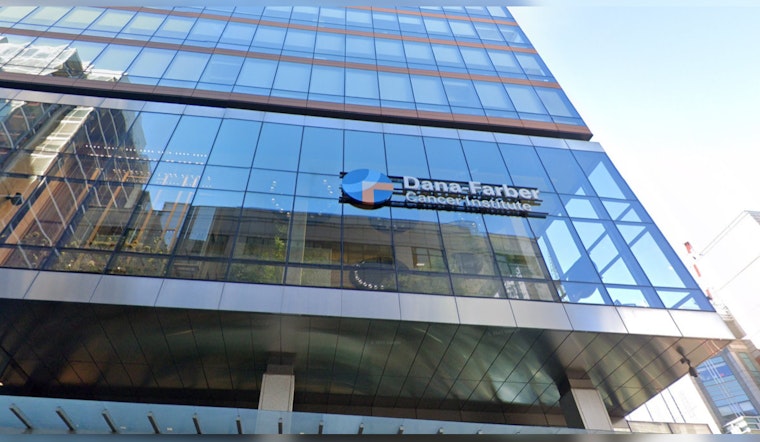
The esteemed Dana-Farber Cancer Institute, associated with Harvard Medical School, faces a critical integrity challenge. It announces plans to retract six studies and issue corrections for 31 others amidst swirling claims of data manipulation, as originally reported by CBS News and CNN.
This series of academic upheavals began when a molecular biologist named Sholto David accused researchers at the institute of falsifying data through image manipulation in a blog post, leading to an internal review of over 50 publications linked to four faculty members who also hold appointments at Harvard Medical School, which included papers by Dana-Farber CEO Laurie Glimcher and somehow, the institute has issued not concrete statement concluding whether these were intentional acts of research misconduct or mere errors, Dana-Farber's research integrity officer and chief science officer emeritus Dr. Barrett Rollins emphasized the institute's staunch commitment to accountability, declaring, "every inquiry is examined fully to ensure the soundness of the scientific literature," as he told CBS News.
The inquiry into Dana-Farber's publication practices has spotlighted existing pressures on Harvard, coming on the heels of President Claudine Gay's resignation linked to separate allegations of plagiarism. The Ivy League institution has faced rigorous scrutiny over its response to academic improprieties and recently submitted documents to Congress amid an ongoing House committee investigation into these matters.
Rollins has cautioned against jumping to conclusions indicating that discrepancies in images used in scientific papers aren't necessarily indicative of deceit a stance highlighted in statements where he mentions that the institute was in the process of reviewing potential data errors before the allegations surfaced and that not all image anomalies constitute misconduct, some are simply products of unavoidable mistakes or misinterpretations brought by AI detection, yet 16 such instances involve data from external laboratories, involving researchers not affiliated with Dana-Farber, as he delineated to CNN.
The reverberations of this scandal within the scientific community are likely to prompt broader discussions concerning research integrity and the mechanisms in place to safeguard the veracity of published findings, an ongoing saga that has positioned Dana-Farber and Harvard at the nexus of a critical conversation on scientific conduct.





