

























































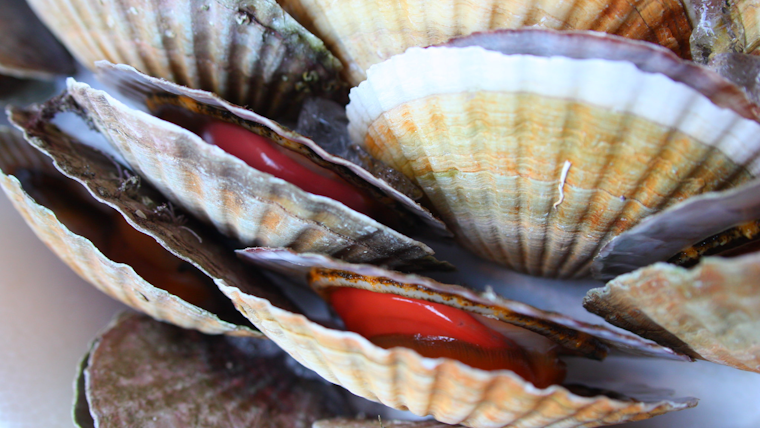
The FDA has dropped anchor on a scallop scare, advising consumers in NY, NJ, PA, MA, and IL to avoid eating certain live scallops from Massachusetts distributor Intershell International Corp, allegedly plucked from off-limits waters. If you've scooped up any Intershell scallops recently, it's time to toss 'em, warns the food watchdog.
These shellfish were caught by an unlicensed harvester, ready to directly distribute bad news and bacteria to your plate. The scallops, supposedly fished from prohibited Massachusetts waters, were mislabeled with fancy harvest labels like "FED 514" from dates including 12/26/23, 12/27/23 and 01/01/24. They've quickly become seafood that nobody should see, let alone eat. The FDA, like a lighthouse in murky waters, is here to guide you away from the risk of gulping down pathogens or other contaminants that might be lurking in these illicit ocean gems.
According to an alert published by the FDA, these filter-feeding scallops might be riddled with harmful bacteria, since they bioaccumulate nasties from their environment. Here's the real kicker: these potentially toxic morsels can look, smell, and even taste just fine, so don’t be fooled by appearances. Especially vulnerable are folks with weakened immune systems who could face serious adverse effects if they consume the contaminated shellfish.
Symptoms to watch out for include food poisoning usuals: as stomach cramps, nausea, fever, and diarrhea. These issues can crop up within hours or days after consumption and might hang around just as long. No one wants to become patient zero in this shellfish saga, so if you're feeling off after dining on these scallops, it's time to reach out to a healthcare provider.
For the purveyors of seafood, the message is clear: keep these tainted scallops off your menus and shelves. You don't just have to simply avoid selling them – you also need to thoroughly scrub down any surfaces these bad boys might have touched. Cross-contamination could turn your kitchen into a hotspot for unwittingly dishing out foodborne illnesses.
It's no briny tall tale – the Massachusetts Department of Public Health, in a wave of responsibility, brought this to the FDA's attention on January 5. By January 9, Intershell International Corp had cast a wide net, issuing a recall of the sketchy scallops, as reported by the FDA. States are now delving into where these seafood fugitives might have stealthily drifted, beyond the initial five states of concern.
The FDA's not sailing away from this issue – they're committed to keeping a weather eye out for any further information on this scallop situation and are ready to assist state authorities in reeling in the risk. Restaurants, retailers, and consumers – it's time to band together to keep our waters and our plates clean.





