

























































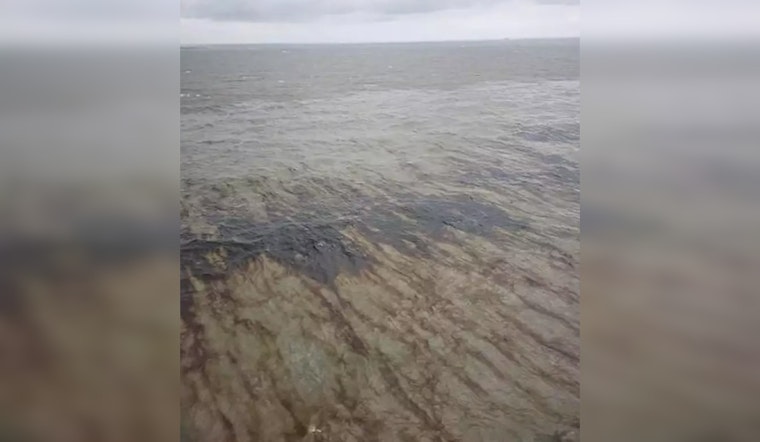
Over two months since the Gulf of Mexico became the unwilling receptacle for approximately 1.1 million gallons of crude oil, the original source of this environmental debacle remains shrouded in mystery. The leak, detected on November 17th, was reported near a 67-mile Main Pass Oil Gathering pipeline system, but extensive investigation including the use of ROVs and divers have yet to confirm the culpable party.
Officials shut down the pipeline shortly after the leak's discovery, but this move raised as many questions as it answered - a further sheen was observed nonetheless. The Houston-based Third Coast Infrastructure, responsible for the suspected pipeline, is yet to resume operation since the spill, according to Houston Chronicle. Meanwhile, the Coast Guard has remained tight-lipped on whether the new sheen is connected to the original spill, only cementing the concern that the Gulf's seabed could harbor multiple potential leakers.
Daniel Nagala, a specialist in pipeline leak detection and founder of UTSI, shared his bewilderment with the Houston Chronicle, remarking on the protracted nature of the investigation: "I wouldn’t have expected it would take more than a week or two to find where it was, so I’m really surprised."
The ecological repercussions of such an incident are not trivial. Endangered species, such as the world's small and critically endangered Kemp's Ridley sea turtle and the Rice's whale – with less than a hundred thought to remain – face heightened threat from the spill. The terrain of coastal Louisiana, a haven for diverse wildlife, is especially vulnerable to oil contamination. NOAA's emergency operations coordinator Doug Helton articulated these concerns to CBS News, stating, "Even if this doesn't make it ashore, it doesn't mean that this is an incident that we can just ignore."





