

























































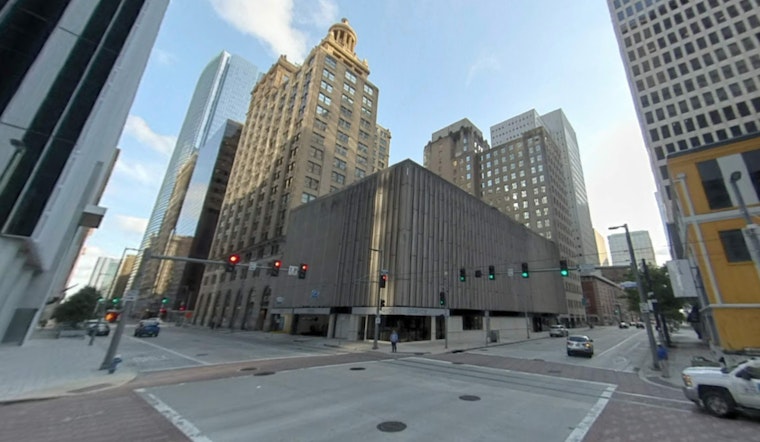
In a bid to address downtown Houston’s office glut and residential shortage, city officials and urban planners are eyeing tax incentives to turn corporate ghost towns into vibrant, inhabited spaces. As reported by the Houston Chronicle, Downtown Houston has unveiled a feasibility study exploring how tax incentives could prompt the conversion of empty office buildings into other uses. The city's largest office market is currently coping with a vacancy rate exceeding 25%, which points to a substantial impact on the urban core's tax base and financial health.
The study, executed by AECOM, lays out scenarios where tax kickbacks could make financial sense for developers, including an option to snag as much as 75% of the incremental increase in property tax values over a decade and a half. A more robust package, promising 100% of the tax value spike over 30 years, hinges on cooperation from other governmental bodies, like Harris County. "This is the beginning of the process," said Andy Icken, the city's chief economic development official, in a statement obtained by the Houston Chronicle, hinting that any move forward would need a green light from the new mayor and City Council.
Not strictly pigeonholed into residential projects, Houston’s potential conversion program appears flexible in its approach. "We’re generally agnostic to the future use of those buildings and only prefer that they are used by people — preferably in ways that further the diversification of downtown," Kris Larson, president of Downtown Houston, told the Houston Chronicle. The city looks to capitalize on the success of its Downtown Living Initiative, which swelled the downtown residential population by incentivizing developers to a tune of up to $15,000 per apartment unit.
Houston is not alone in this reinvention race. Calgary, Alberta, has led the charge with an aggressive venture that doles out $75 per square foot for office transformations, according to an assessment by the Realty News Report. These initiatives cater to a national trend where 2% of the office stock in the top 25 markets is undergoing conversion, reflecting a blend of necessity and innovation in urban development.
Despite the promising outlook, the journey to repurposing these urban monoliths is paved with challenges unique to Houston. The city's skyscrapers might be ripe for a makeover, but they don't typically qualify for historic tax credits, which are crucial for funding these endeavors. Additionally, the report by AECOM commissioned by the Downtown Redevelopment Authority and published by the Realty News Report, highlights that Houston lacks a trove of smaller, older offices that have been successfully converted in older cities. This suggests that the potential conversions would need to be tackled on a case-by-case basis, with the Downtown Redevelopment Authority and City Council approval.
Meanwhile, projects like the conversion of the Niels Esperson building and Humble Oil building test the waters for Houston's appetite for urban space reimagining. The shift could stand to alter the landscape of downtown Houston, reshaping empty corporate husks into living spaces, shopping areas, and more — injecting a dose of much-needed life into the city's heart.





