

























































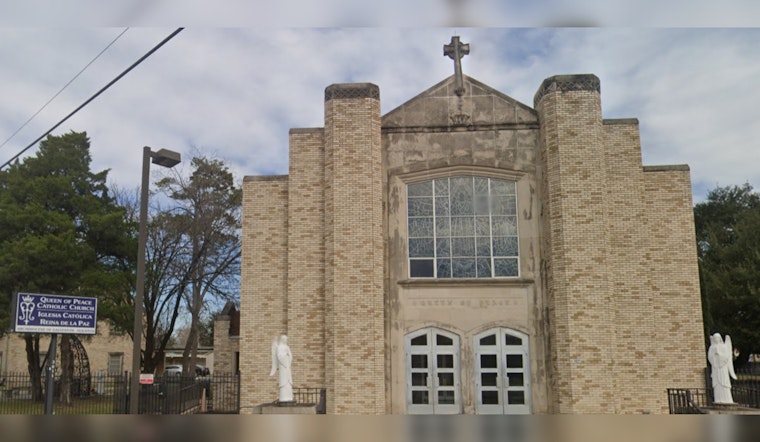
Queen of Peace Catholic Church in southeast Houston has been the recent target of a digital con, where scammers have been masquerading as a pastor to deceive the congregation, specifically aiming at Spanish-speaking members, as reported by the Houston Chronicle. Emails crafted in Spanish popped up in inboxes last Friday, imploring the recipients to contact a number promptly for an unspecified favor, seemingly undersigned by a name familiar to the parish, Pastor Rubén Campbell, sparking a wave of concern among the faithful.
The deceit did not go unchecked, the church countered the malevolent scheme by posting a warning on social media, cautioning parishioners against giving any credence to these solicitations, as the church did not originate this correspondence, “Don’t pay attention to this message that has been sent through cell phones to many faithful,” the church declared on Facebook, “It is not ours. It’s a trick, so don’t fall for the trap.” This incident is but a mere echo of a larger pattern of cons scouring the Houston area, and it seems that Latinos have brazenly been painted as the preferred quarry of these scammers, with similar incidents occurring in other Houston churches and stretching nationwide.
According to the Federal Trade Commission found in their 2021 report, referenced by the Houston Chronicle, Latino and Black consumers are disproportionately entrapped by such scams, often resorting to payment methods that offer scant protection against fraud like cash, cryptocurrency, money orders, and debit cards, despite warnings and recommendations from entities like the Better Business Bureau, which promotes skepticism towards too-good-to-be-true offers and advocates for verifying the authenticity of such requests through alternative, and perhaps more old-school, means of communication.
Another victim, Xochil Vivero, a parishioner at Queen of Peace, recounted to KHOU her encounter with the cunning stratagem after receiving the dubious email but her instincts hinted at the game afoot, “Como que me quede como en dudas mejor cuando valla el grupo si me voy a informarme con mis compañeros,” which translates to her having reservations and opting to check with her peers instead, demonstrating the importance of community vigilance in the face of such ploys.
With the church and its members alert to the fraudulent operation, the Houston community bands together, fortifying itself against these incessant, unsavory tactics, while at the same time, the scam landscape thickens as authorities continue hunting for a man posing as a pastor, known as “Father Martin,” accused of pocketing money from St. Thomas More Catholic Church's rectory, as per the Houston Chronicle report, still the broader dialogue echoes, reinforcing the edict to question, confirm, and never yield to the pressure of the immediate decision imposed by these shadowy figures.





-4.webp?w=160&h=400&fit=crop&crop=edges)

