

























































In a potential breakthrough for those suffering from polycystic kidney disease, scientists from MIT and Yale University School of Medicine have discovered that a cancer drug candidate may offer a new treatment pathway. This drug, initially designed to tackle cancer, appears to target kidney cyst cells in a way that could significantly shrink the cysts responsible for this inherited condition, as MIT News reported. Polycystic kidney disease, which affects over 12 million individuals globally, often leads to kidney enlargement and failure, leaving patients reliant on dialysis or in need of a transplant.
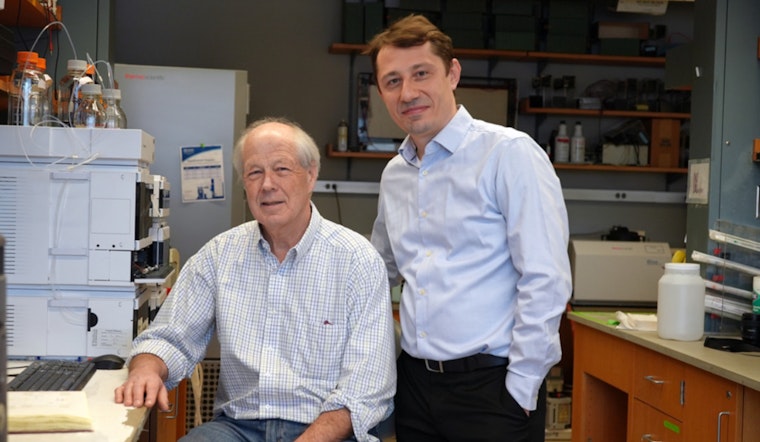
Researchers were not set out to study kidney diseases initially; their focused shifted when compounds designed for cancer treatment, known as 11beta compounds, were identified as potential treatments for ADPKD due to their effects on oxidative stress. This discovery is notable considering that the sole FDA-approved drug for ADPKD, tolvaptan, comes with significant side effects, such as frequent urination and potential liver damage. The compounds in question disrupt energy generation in kidney cyst cells, tipping the balance against these already stressed cells and causing them to die off. "We really believe this has potential to impact the field and provide a different treatment paradigm for this important disease," Bogdan Fedeles, a research scientist at MIT and lead author of the study, told MIT News.
In mouse models that mimic the human form of the disease, treatment with these compounds resulted in a dramatic reduction in the size of kidney cysts. A modified version of the drug, designed to minimize potential side effects by excluding direct DNA-damaging properties, also proved effective in the tests, suggesting a safer option for future human use. John Essigmann, professor at MIT, further explained the drugs' selective toxicity: "A little bit of oxidative stress is OK, but the cystic cells have a low threshold for tolerating it. Whereas normal cells survive treatment, the cystic cells will die because they exceed the threshold."
The implications of these findings could be profound, offering a less frequent dosing schedule that still efficiently manages the disease. Sorin Fedeles, a Yale researcher involved in the study, speculated that patients might only need treatment once every few months, or even yearly, vastly improving quality of life over current daily regimens. This could also mitigate the total kidney volume increase, preserving kidney function. "Based on what we know about the cyst growth paradigm, you could in theory treat patients in a pulsatile manner — once a year, or perhaps even less often — and have a meaningful impact on total kidney volume and kidney function," Sorin Fedeles conjectured in his discussion with MIT News.
While the early results are promising, further testing and development are necessary before these compounds could be available for human treatments. The researchers aim to refine 11beta-dipropyl, scale up production, and explore other related compounds as potential treatments, bringing hope to those afflicted with ADPKD. The study at MIT and Yale has received funding from various institutions, including the PKD Foundation and the National Institutes of Health, poised to advance this critical area of medical research.





