

























































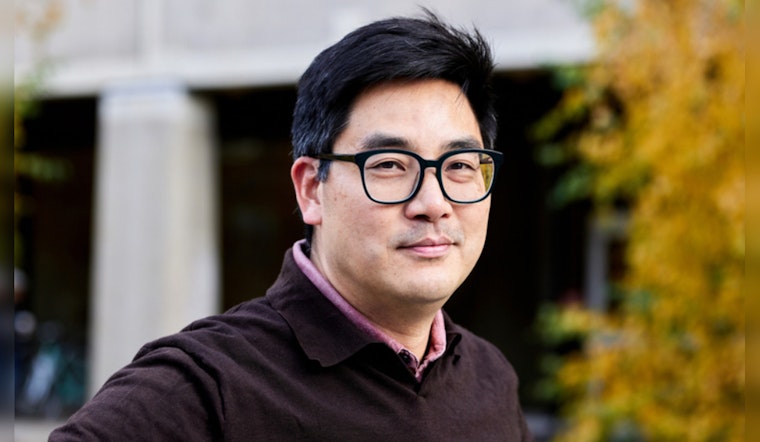
Intriguing strides in urban sustainability are evident as MIT's associate professor David Hsu spearheads climate change solutions, showcasing a blend of science and practical local applications. Hsu, holding a background in physics and urban planning, has turned rundown Brooklyn and Bronx apartments into eco-friendly havens that, through meticulous retrofitting, have seen a dramatic drop in indoor pollutants, as reported by MIT News.
Working closely with property owners, Hsu's implementation of top-grade air quality sensors furnished data underscoring the dual benefit of these initiatives: reducing carbon footprint and enhancing air quality. "Not only are those buildings cleaner and use less energy and do not emit greenhouse gases, they also have better air quality," Hsu stated in a narrative shared by MIT News. His efforts aren't confined to fieldwork; they've also yielded influential climate action policies across major U.S. cities. A notable 13 to 14 percent decrease in energy consumption was observed in New York City over a span of four years post-mandate measurement, feeding vital insight into tailored climate strategies.
Hsu's scope of influence traverses academia directly into the heart of urban governance. Officials from the City of Cambridge have engaged with him, discussing findings from his studies to bolster local projects. "I know I can do research that might move some of those projects along. It’s my way of trying to contribute to the world outside of academia," Hsu told MIT News. But the professor's gaze is set firmly on the future too; he recently impacted MIT's School of Architecture and Planning and the Department of Urban Studies and Planning with his zero-emissions roadmap contributions.
Hsu's vision for climate education extends into shaping MIT's curriculum, hinting at an integrated, broadly-understood climate consciousness. "If people leave MIT with a higher base understanding of climate change, then you can be a lawyer or consultant or work in finance or computer science and address the unsolved problems," he expressed, according to MIT News. Hsu embodies the blend of real-world experience and academic prowess, stepping outside the granular detail of individual studies to grasp the full panorama of climate challenges – all while fostering next-gen talents ready to take the helm.
As the crisis escalates, Hsu's message is clear: engage with climate change, personally and professionally. He asserts the importance for students to pivot their careers towards sustainable endeavors. "Are you going to say, ‘Oh, I made some money and enhanced my career, but the planet’s going to be destroyed? Or ideally will you find a job that’s satisfying and can support your future hopes for yourself and your family, and also save the planet? Because I think there are a lot of [job] options like that out there," Hsu adds, pointing out a pathway forward that aligns personal success with planetary health, a sentiment he detailed in discussions with MIT News.





