

























































A potentially historic space launch is set for Monday, but the Navajo Nation is urging a halt due to spiritual concerns. The mission, a collaborative effort that signifies the burgeoning private space industry, will include the cremated remains of both notable individuals and others as part of its payload – a plan that the Navajo Nation deems a "desecration" of the sacred moon.
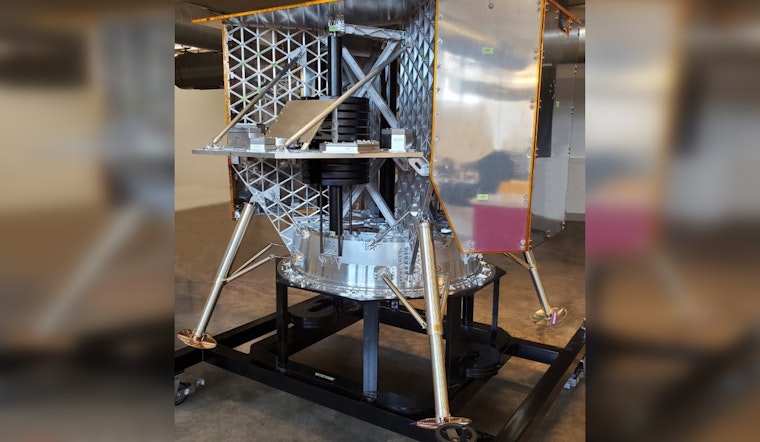
Scheduled to take off from Cape Canaveral, Florida, the launch involves Pittsburgh-based Astrobotic's Peregrine lunar lander, which intends to carry not just scientific equipment but also human remains to the moon's surface. According to the Houston Chronicle, the lander will be sent via United Launch Alliance's Vulcan rocket and is part of NASA's overall efforts to return to the moon through the Commercial Lunar Payload Services program.
Despite the technological advancement this mission heralds, the Navajo Nation has sharply criticized the inclusion of human remains, especially without prior consultation with Indigenous communities who hold the moon as a sacred entity. Navajo Nation President Buu Nygren sent a letter on Dec. 21 to several government departments, including NASA, expressing the tribe's opposition. "The sacredness of the moon is deeply embedded in our spirituality and heritage," Nygren stated in an interview with USA Today.
With a government meeting convened last Friday to address these concerns, the White House and NASA met with the Navajo Nation, but as of yet, there has been no commitment to removing the remains from the upcoming launch. "We take concerns like those expressed from the Navajo Nation very, very seriously," said Joel Kearns, NASA's deputy associate administrator for exploration, according to the Houston Chronicle. However, Navajo officials were not content with the outcome of the meeting, citing a lapse in NASA's promise to consult tribes on such matters dating back to the 1990s.
Charles M. Chafer, CEO of Celestis, one of the companies involved in sending the ashes to the moon, defended the action by saying, "No one, and no religion, owns the moon." His statement, obtained by the Houston Chronicle, emphasized that religious beliefs have never dictated humanity's space endeavors. On the other side, the Navajo Nation maintains its stance, with Nygren reiterating, "We're born here," reflecting the belief that this is where humans should also lay to rest.
This disagreement arises at a time when the influx of private missions is beginning to blur the lines of responsibility and oversight about what is sent into space, a topic that has broader implications for cultural and ethical norms as humanity reaches beyond Earth's atmosphere. The launch is still scheduled despite the Navajo Nation's appeal, marking a clash between the growth of space commerce and the preservation of cultural beliefs.





