

























































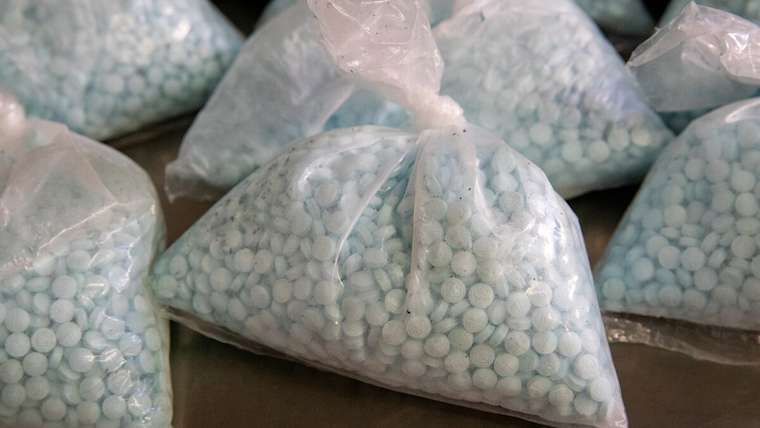
In a stark courtroom scene, three individuals have been sentenced for their roles in a fentanyl distribution ring that led to the tragic overdoses of three teenagers in North Texas. Jason Xavier Villanueva and Rafael Soliz, both 23, along with 20-year-old Roberta Alexander Gaitan, were handed a combined 35 years in prison by U.S. District Judge Ed Kinkeade for crimes including conspiracy to distribute fentanyl and distribution to those under the age of 21, according to WFAA.
Villanueva admitted in court documents to pushing over 200,000 pills into local communities over five to six months as the head of a network dealing with both juvenile and adult distribution channels, Gaitan and Soliz included, who in turn sold the drugs to peers and others in the region which has led to a heart-wrenching tally of at least 12 overdoses, three fatal, the incident involving some as young as 13.
During the sentencing, DEA Dallas Special Agent in Charge Eduardo A. Chávez conveyed a somber message, "I was at today’s sentencing and heard statements from both the defendant’s and the victim’s family and friends. Nobody won today. This is what drug trafficking and abuse does. Lives have been destroyed and tragically some we will never get back". On the enforcement front, the Drug Enforcement Administration's Dallas Field Office and the Carrollton Police Department spearheaded the investigation, receiving support from school resource officers and local school districts, as reported by WFAA.
A separate report by the U.S. Attorney's Office for the Northern District of Texas charged Villanueva with conspiracy to distribute a Schedule II controlled substance, further linking him to supplying fentanyl-laced counterfeit pills through a juvenile dealer directly to distributors like Luis Eduardo Navarrete, 21, and Magaly Mejia Cano, 29, involving an even broader circle of juvenile dealers in Carrollton, which led to overdoses that stole the lives of middle and high school students age 13 to 17 and their families still reel from the loss. According to U.S. Attorney Leigha Simonton, "Fentanyl is killing our kids. We are angry about it. We are heartbroken about it. And we are determined to do all we can about it."
Despite the heavy sentences, the fight against the fentanyl crisis continues with authorities pushing for awareness of the threat posed by illicitly produced pills. Such counterfeit drugs, which may resemble common prescription medications, often contain lethal doses of fentanyl, a fact underscored by DEA research cited by the U.S. Attorney's Office showing a staggering six in ten fentanyl-laced pills could be deadly. The message from law enforcement is clear: One pill can kill, and the entire community must be vigilant in this ongoing battle for the safety of our children.



