

























































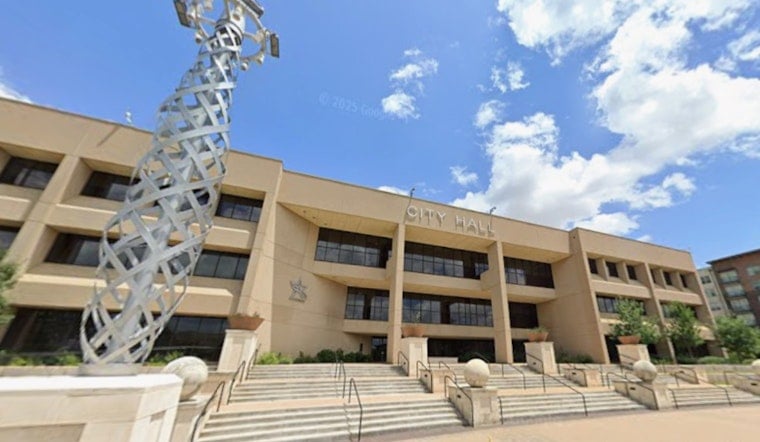
An Arlington assistant city attorney says she was shown the door after releasing redacted records tied to last year’s arrest of the Tarrant County sheriff’s son, a firing that has kicked up fresh questions about transparency and personnel decisions inside City Hall. She contends the move was retaliation for sharing parts of the arrest file, while city officials insist it was an at-will termination based on performance.
What the attorney says
Kailey Muir, until recently a lawyer in the Arlington city attorney’s office, told reporters she was dismissed after she emailed redacted arrest records to local attorney-journalist Basil Zangare on Aug. 28, 2025. She says her supervisors signed off on removing solicitation-related details before the documents went out and that she was later fired in retaliation for that release. Arlington officials, she added, characterized the move as an at-will employment decision driven by performance concerns, according to Fort Worth Report.
Background on the arrest
William "Lucas" Waybourn, the adopted son of Tarrant County Sheriff Bill Waybourn, was arrested March 3, 2025, on charges that included solicitation of a minor, assault on a peace officer and resisting arrest, according to court records and reporting. The arrest stemmed from a 911 call about a juvenile at a business on the 100 block of South Bowen Road. Waybourn was taken to the Arlington jail and later released on bond, per KERA News.
Video, redactions and the case
Muir says the documents she released were part of a standard public-records response and that partial body-camera footage from Waybourn’s arrest was later posted online. She provided those dates and details in her account to reporters. The criminal case was eventually recused from Tarrant County and reassigned to the Parker County district attorney, and court filings show the original charges were narrowed, according to Fort Worth Report.
Official reactions
Tarrant County Commissioner Alisa Simmons publicly criticized how quickly the sheriff’s son was released from custody and argued that the case underscored unequal treatment in the justice system, according to a county news release. Tarrant County officials also urged support for the juvenile involved and voiced concerns about consistency in how magistrates and jail staff handle similar cases.
The dueling narratives now have Arlington residents and local watchdogs probing how the city vets sensitive records before they go public and whether staffing moves inside the legal department follow typical human-resources practice or something more political. Both Muir’s retaliation claim and the city’s performance-based explanation are likely to face tighter scrutiny as the underlying criminal case continues to wind its way through the courts.





