

























































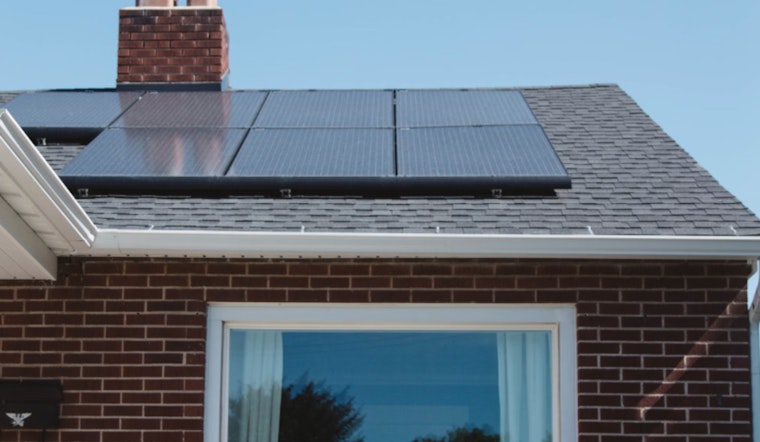
In a notable stride toward bridging the clean energy divide, Providence's Capital Good Fund, a leading nonprofit, is now on the frontline offering solar loans that defy the credit barrier, enabling low and middle-income residents of the Houston area to harness solar power without being stymied by high upfront costs or credit score snags. Mickey Lee from Conroe, who got his solar system installed courtesy of the nonprofit's initiative, said, "I can sleep at night knowing that even if ERCOT or Entergy announced today that they’re going to have rolling blackouts tomorrow, I don’t care, at least for my own purposes. It’s a peace of mind," he told the Houston Chronicle.
Capital Good Fund, which offers these loans as part of a program that began in Rhode Island and Massachusetts before expanding to Texas, outlines an eligibility capped at 120% of the area's median income, Andy Posner, CEO of Capital Good Fund expressed concerns over a potential "bifurcated clean energy transition," where only the affluent reap the benefits of energy cost savings, while those on the lower economic rung continue to battle with escalating tariffs, according to statements obtained by the Houston Chronicle.
Forging ahead, the nonprofit is courting investors for its "Green New Deal Fund", a fiduciary conduit that seeks to amplify its social equity impact across ten states—the fund, which promises a 6% return, is open to accredited investors kicking in with a minimum of $5,000, as outlined in a news release by Providence Business First. This strategy bolsters the nonprofit's efforts to make solar power more accessible, especially as it boasts a stellar 96% repayment rate on over 11,000 financed loans since its inception in 2009.
"At a time of rising energy prices and geopolitical instability, it is more important than ever that we direct funds to ensure all families have access to affordable, reliable, homegrown clean energy, there can be no clean economy without economic justice," Posner laid out in the statement obtained by Providence Business First. Amid the diverse energy market and the sometimes shady sales maneuvers clouding the prospect of solar adoption, it's this level of investor buy-in that could shine a ray of hope on those left in the dark.
As an added solar sweetener, the first 50 Houston borrowers get a $1,000 subsidy following their initial loan repayment—a boot from a generous $50,000 grant by JPMorgan Chase. While high-interest rates continue to slow residential solar uptake in Texas, initiatives like Capital Good Fund's might just be the spark needed to energize communities toward a sunnier, self-sufficient future.





