

























































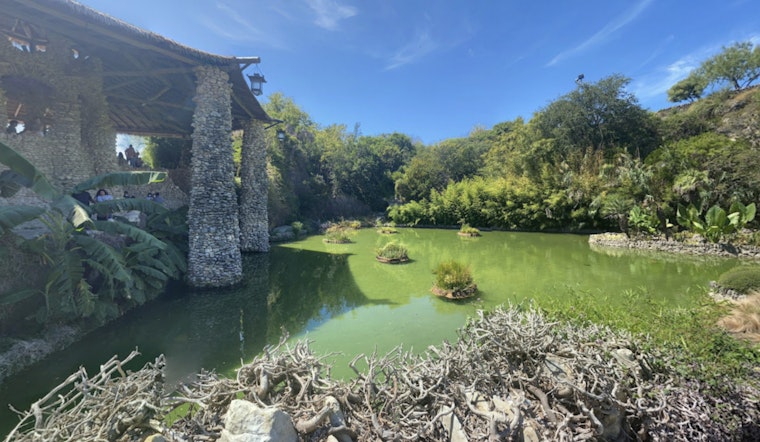
The future of Brackenridge Park in San Antonio is opening for business, or rather for public opinion starting Jan. 8, as city officials and a local advisory committee are looking to give the 400-acre space a much-needed overhaul. A first public meeting, organized by the 23-member Brackenridge Park Stakeholder Advisory Committee is set to take place, the Express News reported.
This kickoff meeting will not only welcome public input but also introduce a new approach to project evaluation. The assessment will weave through revamped criteria, potentially setting the stage for Brackenridge Park to become part of Texas's first federally designated National Heritage Area. The park, a repository of historic structures and natural allure, has long suffered from insufficient planning and care, so, there's a long uphill battle ahead.
With the park turning 125 years old this year—yet boasting a history of human activity spanning back 12,000 years—stakeholders are piecing together objectives from a 2017 masterplan, a cultural landscape report and various other studies to pave a new future for Brackenridge. Concerns noted by park advocates include erosion along the San Antonio River and an invasion of non-native plant species, issues the park, and its users have endured for too long.
Each subcommittee within the advisory group, led by co-chairs Lori Houston and Terry Brechtel, comes armed with a "DEI champion" to factor in diversity, equity, and inclusion within every decision agreed upon. According to a report by the San Antonio Speak Up, the initial draft language of the Reconciled Plan includes guiding principles covering equity and accessibility, clearly signaling that user experience is at the front and center of this revamp.
The meeting on Jan. 8, to be held at Tri-Point Center, is just one of several opportunities for locals to chime in on park improvements. Another session is scheduled for Jan. 30, where feedback from the first meeting will be reviewed, with an eye to refine evaluation criteria for potential projects. It's a collaborative effort that, while might not always be a walk in the park, is essential for the park's survival as both a natural haven and historic treasure trove in the heart of San Antonio.




