

























































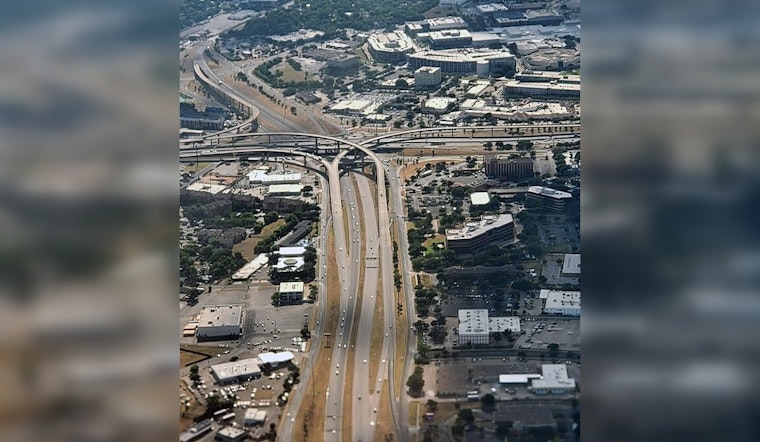
Amid concerns over increasing traffic and high crash rates, the Texas Department of Transportation is rolling out plans to shake up a busy stretch of US 290. The overhaul, meant to alleviate congestion and improve safety, could potentially widen the roadway from a crawling four-lane undivided road to a six-lane divided highway stretching from RM 1826 in southwest Austin to west of RM 12 in Dripping Springs. According to KXAN, the new design promises to eliminate traffic signals for main lanes, aiming to make the daily commute a smoother ride.
The public's voice is sought as TxDOT is keenly aware that to properly address the burgeoning gridlock and hazards, it must not only rely on studies but also engage with the communities that stand to directly gain or lose from the project's execution. "The controlled-access highway would have frontage roads with both entrance and exit ramp access," a TxDOT presentation disclosed. Besides streamlining traffic, the expansion connects to the Oak Hill Parkway, another project slated to ease local vehicle flood.
But progress comes with a price. Relocation could uproot lives and livelihoods. The looming project possibly displaces 12 residences, 83 non-residential structures, and even a church. In a statement obtained by CBS Austin, TxDOT officials have attempted to allay fears, reminding that "relocation assistance is available" for those caught in the path of development. Garrett Beem, the founder of Nest Haven Properties, underscored local concerns on congestion and traffic safety, noting the middle turn lane as a key trouble spot for accidents. He highlighted, "People use that as a passing lane and they'll go 50-60 miles down the middle turn lane, which is a big problem out here."
The urgency for change is underscored by hard statistics reflecting a risky stretch of asphalt. Between 2016 and 2022, the corridor witnessed 1,501 crashes, with a severe crash rate of 4.8% - surpassing the 2.8% urban corridor average. " The proposed project would, subject to final design considerations, require additional right of way," TxDOT documents revealed, hinting at the extensive footprint the revamp may leave. While the project aims to pave the way for safer travels, it does not dismiss environmental considerations – part of the construction would take place within the Edwards Aquifer Contributing zone, including impacts on wetlands.
Despite the meeting intended to discuss these plans transitioning from an in-person event to a virtual one due to inclement weather, TxDOT maintains an open line for feedback. Community members still have the opportunity to voice their opinions through a virtual public hearing that includes a pre-recorded presentation with audio and visual components. Those looking to submit their comments can do so online or via mail to the TxDOT Austin District Office. As the project timeline remains fluid, with final design, right-of-way acquisition, and utility adjustment details still in limbo and the slate for beginning construction not yet etched, the community waits to see if the promise of smoother traffic will come true amidst the backdrop of TxDOT's expansive slate of plans.





