

























































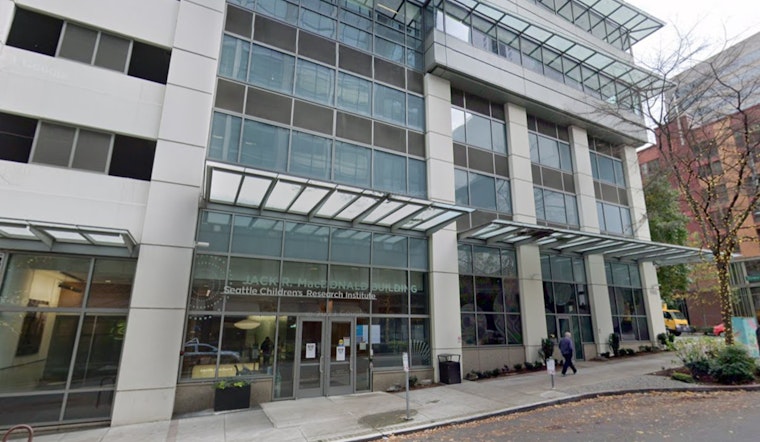
In a significant leap forward in the ongoing battle against tuberculosis (TB), scientists from University of Massachusetts Amherst and Seattle Children's Research Institute have made revelations that could reshape our immune defense strategy against the deadly disease. TB incited by Mycobacterium tuberculosis (Mtb) remains a monumental health challenge, claiming over 1.6 million lives annually. Until now, the full extent of Mtb's evasion tactics within the immune system has been elusive. However, new research indicates that previous encounters with related bacteria from the Mycobacterium genus could remodel our immune system's front-line warriors in a manner influenced by the nature of the exposure itself, as recently reported in PLOS Pathogens.
"We breathe in thousands of liters of air every day," as stated by Alissa Rothchild, assistant professor at UMass Amherst, emphasizing our vulnerability to a host of airborne pathogens. Unlike the adaptive system that responds to known threats, the innate immune system, including macrophages, provides the initial response. Rothchild, who also served as senior author of the study, elaborated on previous findings that showed alveolar macrophages (AMs), which are situated in the lung's alveoli, do not generate a strong immune reaction to an initial Mtb infection. This tepid response allows Mtb to replicate within the AMs, and thereby, avoid detection. "But what if we could change this first step in the chain of infection?" she posed in a query that hints at the potential for enhanced innate immune reactivity against the TB bacterium.
To investigate how the innate system can be altered, Rothchild and team engaged in an experiment spanning two different mouse models. One model involved the BCG vaccine, the only widely available TB vaccine, whereas the other simulated a controlled Mtb infection known to offer protection against further infections, this approach is known as concomitant immunity. After aerosolized Mtb challenge, the scientists observed that, although macrophages from both models exhibited a heightened pro-inflammatory response, the nature of the response differed based on prior exposure. "What this tells us," as Rothchild explained, "is that there's a great deal of plasticity in the macrophage response," suggesting new avenues to manipulate these cells to bolster our innate defense against TB.
The investigation, funded by National Institutes of Health and the National Institute of Allergy and Infectious Disease, forms a critical aspect of the IMPAc-TB initiative aiming at a granular understanding of the immune response against TB to facilitate more effective vaccine development. Dr. Kevin Urdahl of Seattle Children's Research Institute, leading the IMPAc-TB consortium, stated that the "overall goal of the program is to elucidate how the immune system effectively controls or eradicates the bacteria that causes tuberculosis." Adding to the IMPAc-TB's comprehensive study, Rothchild's findings offer a blueprint for interpreting the immune responses of human alveolar macrophages, gleaned from newly exposed individuals in TB endemic regions, thus marrying bench research with transformative clinical understanding.





