

























































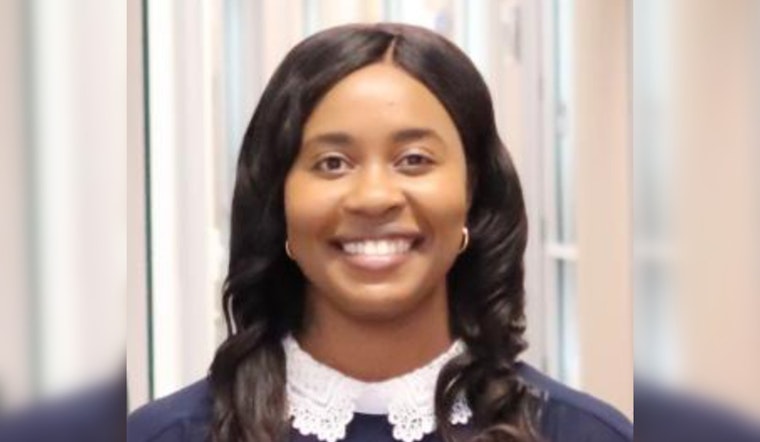
The fight against bone fractures in cancer patients may soon benefit from new research spearheaded by a UMass Amherst engineer. Stacyann Bailey, an assistant professor of biomedical engineering, is focusing her studies on the adversity cancer treatments pose to bones when cancer has metastasized. According to UMass Amherst News, Bailey has been granted a sizable $392,617 grant from the National Cancer Institute to delve into the concerning phenomena where drugs used in the treatment of metastatic cancer could lead to increased bone damage and fractures.
“Our patients are not dying from primary cancer. They’re really dying from metastasis, whether it’s to the lung, the brain, or an bone, which is the subject of my research,” as Bailey elucidated. Addressing a major concern, she revealed that up to half the patients with metastatic bone disease may develop fractures, contingent on the type of primary tumor and the site within the bone. The implications of immune checkpoint inhibitor therapies, widely used to kill tumor cells, on bone health form the crux of Bailey’s grant objectives.
Bailey suspects that there is a deeper connection between the immune cells, often activated by these therapies, and bone cells. She stated, “People don’t understand how central your bone is to your immune system,” showcasing the intricate interplay between the body’s systems that might be unhinged inadvertently by cancer treatments. The research aims to scrutinize the impact of immune checkpoint inhibitors, notorious for unknowingly magnifying bone loss problems.
“My long-term, big picture will be: how can we prevent fractures from happening?” Bailey told UMass News. She continues to explore the possibility of utilizing a secondary therapy to curb harmful effects and employing protein biomarkers inherent in the tissues to create models for fracture prediction and ultimately, prevention.
Furthering her goals, Bailey anticipates a multitude outcomes such as improving patient awareness, refining treatment protocols, pioneering new drugs targeted at these biomarkers, and even developing biomimetic materials to aid in tissue repair and regeneration. The overarching vision of her work is simple and profound – to stop bones from breaking in cancer patients, empowering them with a chance at longer, more quality-filled lives.





