

























































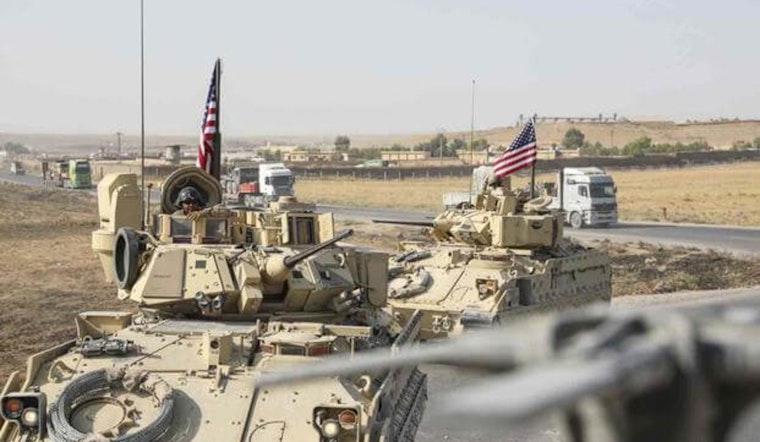
In a show of recognition for their bravery, several members of Arizona's National Guard injured in a drone attack in Jordan have been bestowed with the Combat Action Badge. The attack, which took place late January near the Syrian border, saw roughly 40 members of the Guard wounded. According to 12News, the majority of the soldiers injured have since returned to duty, with one soldier who was being treated in Germany now back stateside.
However, the fate of combat decorations for those killed and injured in the strike remains in limbo, as the Army is yet to decide on their eligibility for such honors. A total of three soldiers from a Georgia reserve unit lost their lives, and at least 40 National Guardsmen and airmen sustained injuries. As per Military.com, an Army spokesperson confirmed that "Jordan meets criteria for locations in which troops are eligible for [combat badges]." However, these awards are considered on a case-by-case basis.
There exists a grey area when it comes to the Army’s policy on what circumstances qualify soldiers for combat badges, such as the inclusion of "ground combat" engagements without a strict definition. The soldiers in question were reportedly receiving imminent danger or hostile fire pay, a monthly bonus for those serving in regions where enemy contact is conceivable. This pay was being distributed to the troops stationed at the base in Jordan that was attacked.
Compounding the issue is the debate over the seriousness of the soldiers’ wounds, predominantly traumatic brain injuries (TBIs). Defense officials have been reticent in providing updated figures on TBI cases, and these injuries have historically been downplayed. According to a Military.com report, some comments by officials have seemed to diminish the importance of such wounds, asserting that most injuries were "from concussive events" but were "not necessarily wounds."
Last of the Georgia reservists killed in the January drone attack were posthumously promoted, with President Joe Biden and Defense Secretary Lloyd Austin present during the dignified transfer of the soldiers’ remains.




