

























































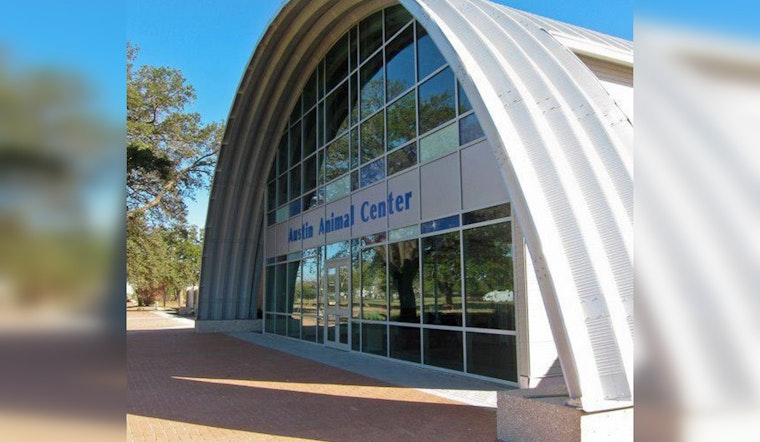
The Austin Animal Center (AAC) is taking a stance to rectify its housing practices for shelter animals, moving away from the use of pop-up crates, in tune with an independent assessment and state law compliance. The shelter has been utilizing these temporary enclosures for years to cope with overpopulation but will be discontinuing their usage effective immediately, it was announced Thursday.
Don Bland, the Chief Animal Services Officer of Austin and director of AAC admitted that the city had been "written up for it by the state 'all the time,'" as reported by KXAN. The transition away from crates will not occur overnight, as Bland explained, “when kennels open and something moves out of a crate into the kennel, then we eliminate that one.” This phased approach is part of a larger response to audit findings presented last year.
In response to how this change might affect shelter intake, interim Project Management Division Manager Devan Desai, who returned to the City on a temporary assignment to oversee changes spurred by that audit, acknowledged that it will cause some intake challenges. Desai mentioned the City is exploring expansion possibilities, saying, "We do have the real estate division looking at possible additional locations for expansion," in a work session with Austin City Council members, as per KXAN.
Public scrutiny of the AAC rose sharply in September 2022 when volunteers shared videos online showing the cramped conditions of animals being housed. "We are housing dogs in crates in our conference room, and we even rented an air-conditioned construction trailer to put crates in," marketing and communication manager Kelsey Cler detailed in a press release at the time, "Unfortunately, all of those spaces are now full, and our only option is to house dogs in crates outside in front of evaporation coolers." This statement came from a CBS Austin report.
Amidst these changes, AAC has extended an open invitation for community members to step forward to adopt or foster pets, in effort to alleviate the overflow of animals at the shelter. The need for adoptive and foster homes is higher than ever, with the imminent shift away from the use of pop-up crates.





