

























































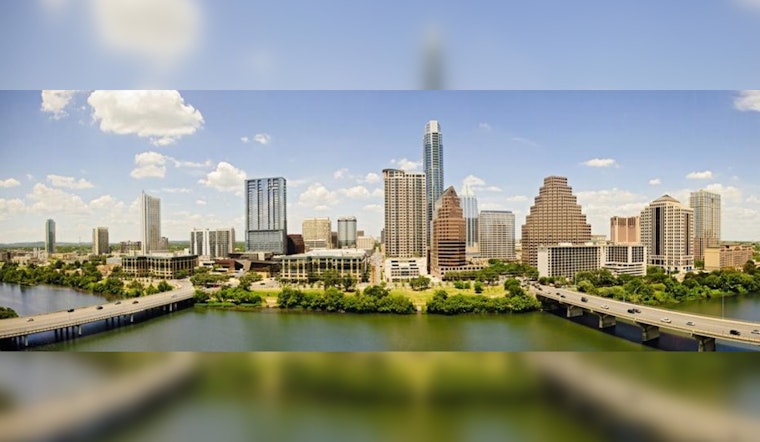
Austin is gearing up for a major transformation with a light rail line in the works, and it's sparking a revamp of city regulations to pave the way for denser, tall-building neighborhoods. To snag a hefty pile of federal dollars, Austin officials are rewriting the rulebook to encourage development that makes walking and public transport the no-brainer choices.
The city is looking to score big with an estimated $5 billion light rail line and half of that dough is expected to come from the Federal Transit Administration's New Starts grant program. To get ahold of those funds, Austin's got to show they're making moves towards transit-oriented development, a fancy term for building a city where folks can live, work, and play without having to jump into a car. But these moves are hitting some snags with the possibility of legal battles from naysayers, as reported by the Austin Business Journal.
Some hot topics in this land-use shakeup include cranking up building heights and relaxing density caps. The project's 10-mile light rail route, coming in between $4.5 billion to $4.8 billion, could be flanked by swanky new developments if the City Council gives the green light on these changes as early as late February. These regulations are meant to boost the number of people and businesses near transit stops, making the area ripe for development, as per a January announcement by the Austin Transit Partnership cited in the Austin Business Journal.
Meanwhile, according to a Community Impact article, the City Council isn't wasting any time, having already voted in early February to put the pedal to the metal on policy changes. These changes are all in cahoots with the city's equitable transit-oriented development, which has a laser focus on affordability and accessibility around public transport hubs.
Everything from ground-floor retail to bonuses for gifting the city affordable housing units is hitting the table. It’s all part of a mega effort to prevent Austin from missing out on billions in federal funds needed to deliver the "voters' vision for light rail," as Mayor Kirk Watson put it in his February newsletter featured in Community Impact.
Project Connect is just starting its environmental review journey, open for public chitchat until March 4, but the clock's ticking for Austin to align its local laws with Uncle Sam's expectations, to make sure they get those funds locked down. Residents are tuned in, itching to see if these promises of affordability and convenience will rail transit a reality.





