

























































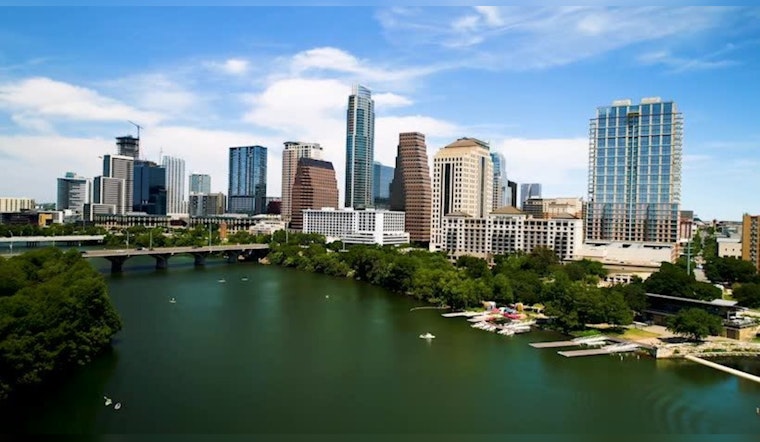
The EPA has tightened the noose on air quality standards, and the Lone Star capital is gasping to keep pace. Under the new rules, what used to be "acceptable" levels of soot are now considered hazardous, and Austin's air is suddenly on the naughty list. The magic number? Nine micrograms per cubic meter. That's down from the old cap of 12. According to the Austin Monitor, this microscopic menace packs a punch, capable of slipping past lung defenses and wreaking havoc on human health.
As the Austin area scrambles, putting health officials on high alert, the usual suspects of smog and ozone seem to have taken a back seat. Anton Cox, who has been working the air quality beat at the Capital Area Council of Governments, told the Austin Monitor, that attention was previously paid to ozone-overlooked soot, which the region has now to reckon with.
Local sources of this fine particulate matter, Luke Metzger from Environment Texas told the Austin Monitor, range from vehicle exhausts to factory smokestacks, with potential contributions from construction work and natural phenomena like desert dust. Nailing down the primary villains in this pollution plot is task number one for authorities if they hope to clear the air before the EPA brings down the hammer.
The specter of noncompliance looms, threatening to choke off federal funds for local projects. A year is all officials have before the EPA's nonattainment designation could start constricting development and infrastructure initiatives, Cox warned in an interview with the Austin Monitor. This tight schedule leaves little room for dawdling, with the state expected to drum up a plan in concert with the Texas Commission on Environmental Quality pronto or face "greater consequences."
Despite the grim forecast from the EPA, predicting Travis County won't clear the bar by 2032, Metzger sings an optimistic tune. Alongside advancements in industrial smog scrubbers and battery-powered blowers, there's a fighting chance to turn the tide, he insists. Meanwhile, the EPA's updated pollution playbook raises the ante for infrastructure projects like the controversial I-35 expansion, potentially throwing a spanner in the works, Metzger suggested, as Austin's ambitious Project Connect rail plan steams ahead, with federal green light still intact.





