

























































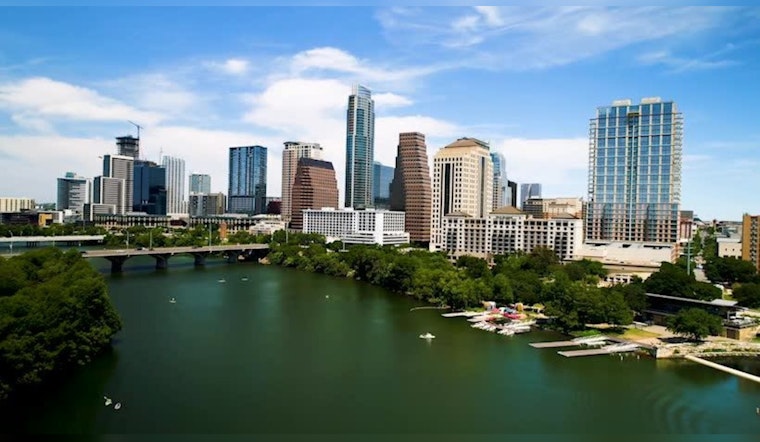
The Tourism Commission of Austin is cooking up strategies to boost hotel taxes, and it's got nothing to do with business conferences. Eyeing an increase in the average length of hotel stays, the commission is exploring uncharted territories. This shift toward other attractions aims to beef up coffers with Hotel Occupancy Tax revenues.
At a recent gathering, Matt Patton, research maestro at Angelou Economics, laid out how the city's vibrant cultural scene already makes a hefty contribution to the hotel tax pool. According to the Austin Monitor, musical extravaganzas ring in anywhere from $525,000 to a cool $2.5 million yearly; UT sports fans pitch in between $550,000 and $4.4 million; and the SXSW festival lights up the board with $1.1 million to $1.9 million annually. All this, plus the side hustle from diners, car renegades, and fun-seekers, makes for a 3.2 to 3.7-day stay on average.
Making a play to extend those stays even longer, Patton pitched a potential breakthrough: engage visitors with a playbook of ecotourism, wellness, gastronomy, and "voluntourism". The idea is simple: offer them a “passport” to pre-packaged local experiences. Such tactics could encourage tourists to hang around for more than four nights, sending hotel taxes skyward.
"How do we encourage an extra day?" posed Patton during the meeting. He went on to reason that "If we can bump that to four to four and a half days ... we're gonna talk about a lot more (hotel) tax generation. And how do we get this to work in concert with some of the other phenomenal opportunities, activities, and experiences in Austin?" – or so the Austin Monitor reported him as saying.
Daniel Ronan, chair of the commission, sparked a reality check, hinting that the city shouldn't rest on its laurels assuming the post-pandemic HOT revenue rebound will last forever. "In 20 years from now, or even sooner, when it’s 120 degrees outside in the summer, what’s the plan?" he said, hinting at a potential climate crisis. He stressed the importance of appreciating and promoting the cultural jewels of Austin all currently backed by HOT funds.
John Riedie, another commissioner, underlined the significance of the arts and live music scene in wooing hotel stays – and thereby, pulling in more HOT dollars. In his viewpoint, it's a slow, incremental stride towards a more diverse tourism economy. "This work is very incremental, but it's one more piece of knowledge we can use to inform what we do next," Riedie asserted to the Austin Monitor.





