

























































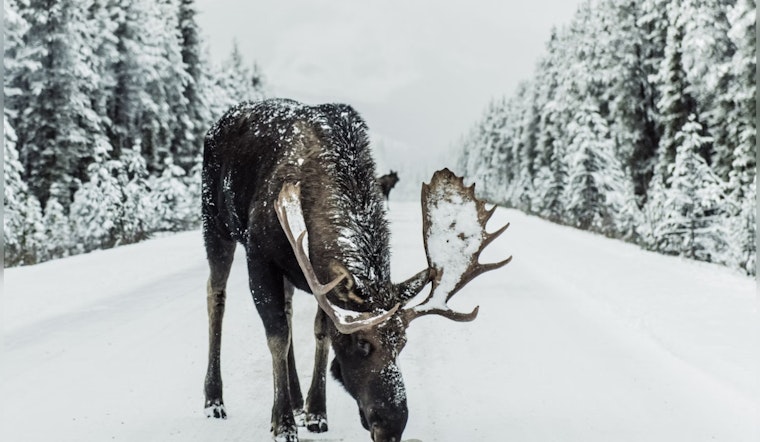
In an unprecedented shift of climate patterns, researchers at Michigan Technological University were compelled to suspend the traditional Wolf and Moose Winter Study at Isle Royale for the first time in 65 years. Unlike any other years spanning back to 1958, with the exception of 2021 due to the COVID-19 pandemic, the team of wildlife scientists faced no choice but to halt their fieldwork as soaring temperatures made typical methods of transport and study untenable on the remote island national park.
With weather that wouldn't budge below freezing since January 24, the warm spell has caused ice that researchers depend on for landing planes to deteriorate, threatening the safety and feasibility of their annual count. The weather, swinging about 20 degrees above the average, forced federal officials to call off the mission on safety grounds – a decision that left Isle Royale solely to its wildlife inhabitants. "The ice on the harbor was starting to deteriorate, I guess," Sarah Hoy, a Michigan Tech research assistant professor, told The Guardian. "We lost some ice depth and a few holes and cracks were starting to appear ... Everybody had to leave."
While helicopters did assist in transporting the team back to the mainland, they are not an option for conducting the survey because they are noisy and expensive, potentially disrupting the natural behavior of the wildlife. Hoy further explained, "So the island's now only occupied by wolves and moose and a bunch of critters. We're incredibly disappointed that we're not able to continue our work." The scientists' findings from the previous year, as reported by CBS News, had indicated that the wolf population on the island increased to 31 from 28, while the moose numbers dropped by 28%, highlighting the delicate balance in this predator-prey relationship.
The National Park Service, concerned about the continued warm forecast, decided on the fly to suspend all fieldwork activities. Impressively, Wisk Air helicopters swiftly evacuated the team, flying them back from the island, which is an unusual occurrence during this time of year. With a potential cold turn in the weather forecast later in February, there remains a sliver of hope for the researchers to return to complete their crucial study if conditions permit safe landings once again. Such work provides invaluable insights into the impacts of climate and ecological changes on the predator-prey dynamics within Isle Royale's unique ecosystem.
This setback is a stark reminder of the growing impact of the climate crisis, displaying wild fluctuations across the United States this winter. Large parts of the nation have faced unprecedented weather patterns, from prolonged freezing temperatures to unseasonably warm conditions, calling attention to the escalating urgency of addressing climate-related challenges. As Isle Royale's researchers grapple with their study's interruption, it underscores the far-reaching consequences of a warming planet – even for wildlife biologists chasing data in the depths of what is usually a frozen wonderland.




