

























































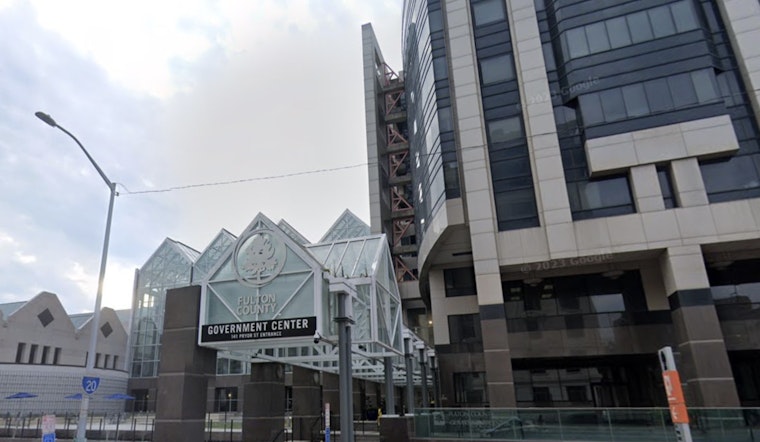
In a significant step toward addressing historical racial injustices, Fulton County's Reparations Task Force has begun its in-depth research into the impact of slavery and subsequent Jim Crow laws on the Black community. The task force, established by the Fulton Board of Commissioners with a $250,000 budget, is collaborating with the Atlanta University Center Consortium to conduct comprehensive studies. The objective is to present substantiated recommendations to the county authorities by fall this year, as per WABE.
Amidst the genteel homes of Buckhead, one woman's family history tells a more harrowing tale. Elon Butts-Osby, a Bagley Park resident, recounted to FOX 5 about the land taken from her ancestors. "It’s the land that was my grandparents, and then it was taken from them," she said. Her family, like many others, had been forcibly removed from their properties during an era of racial cleansing. Butts-Osby's case is one of the key examples the reparations task force is examining as it builds its arguments for compensation.
Dr. Karcheik Sims-Alvarado, chair of the Fulton County Reparations Task Force, explained the extent of what the task force had found. "What we uncovered was that Fulton County was complicit in declaring eminent domain on its residents, particularly within the Buckhead area," she told FOX 5. This often resulted in residents being displaced, with some fortunate enough to buy new homes, while others ended up in housing projects.
The research endeavors of the task force are not just a matter of historical record but signal a possibility for restitution. According to Sims-Alvarado's statement obtained by FOX 5, creating a blueprint for reparations is their current mandate. As for the wider Black population in Fulton County, the exact form that this "repayment" may take remains undecided. Meanwhile, the City of Atlanta initiated their own study commission last November, and Georgia House Democrats have introduced a "Reparations Day" to discuss state-wide redress at the Capitol.
Butts-Osby, whose family was able to eventually resettle and repurchase land in northwest Atlanta, is now part of the task force advocating not just for her family but for the countless others with similar grievances. The debates on the value of the taken land versus its current worth are secondary to the primary need she articulated: "People need to pay … the city and the county ... they need to pay," Butts-Osby expressed. In light of such testimony, Fulton County's efforts are closely monitored as a potentially precedent-setting move in the ongoing national conversation around reparations.





