

























































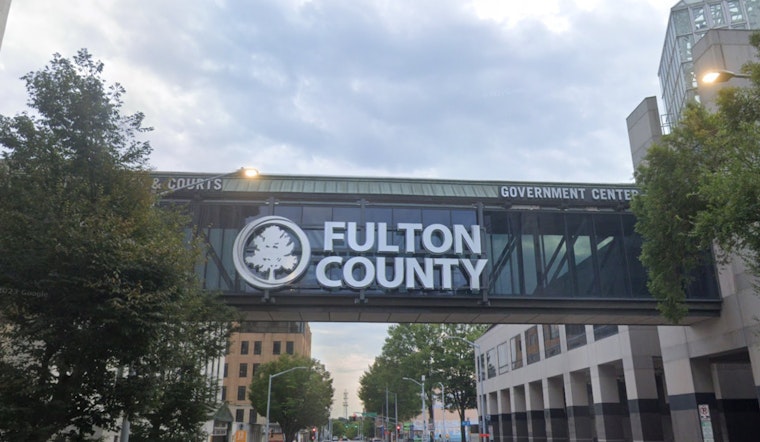
It's been a rocky couple of weeks for Fulton County as they continue to battle the fallout from a significant cyberattack. According to FOX 5 Atlanta, the county has been grappling with a ransomware incident since January, aimed squarely at extracting money as confirmed by Fulton County Commission Chairman Robb Pitts. "We do have evidence that suggests this was the result of a ransomware incident caused by financially motivated actors," Pitts stated. Yet, what information the hackers possess remains unclear, despite screenshots circulating on social media, purportedly depicting confidential documents and evaluations of citizens’ personal data.
With a focus strictly on the looming threat, Patrick Kelley, CEO of LEARGAS Security, claims to already have evidence that a first set of sensitive data has been compromised, which were shown to have leaked following the cyberattack. According to an interview with 11Alive, Kelley discovered the leaked information on a hacker website, which includes "Medical records, court cases that have been tried/haven't been tried, usernames and passwords." Kelley cogently brought to light that sensitive data from various departments within Fulton County could have potentially been discussed, a concern that directly affects citizens who have worked, lived, or conducted business in the area.
Fulton County's systems, including its justice and property tax infrastructures, have taken a substantial hit, creating interruptions that continue to have far-reaching effects. Chairman Pitts has admitted that operations are not just impaired but, in some critical domains, shut down entirely as a result of the cyber onslaught. This marks yet another sobering example of the escalating cyberthreats facing municipalities not only throughout the nation, but on a global stage, highlighting an increasing pattern of vulnerability.
Kelley has openly pointed the finger at Lockbit 3.0, a group he described as one of the more formidable in executing attacks against high-value targets such as municipalities, often gunning for millions of dollars in ransoms. He ominously noted that the countdown is on before a broader release of data. "There's about 24 to 36 hours," Kelley said, "I think that's what the countdown is right now. And then, they're going to release all of the data, which tells me that Fulton County has chosen to not pay the ransom." This places Fulton County in the eye of the storm, bracing for the possibility of a more catastrophic data dump.
While officials at Fulton County vow to notify those impacted by the cyber incident, as per legal obligations, and have pledged to strengthen their IT security, the exact ramifications are still unfolding. Kelley's insights serve as an unnerving reminder for better data security practices. He pointed out the prevalence of weak, administrative passwords revealed in the leak, underscoring the need for stronger passphrases that integrate numbers, symbols, and two-step verification. As Fulton County attempts to assess the damage, Kelley has suggested that impacted individuals may need to consider seeking legal advice, indicating the widespread and potentially deep-seated impact of the cyberattack.





