

























































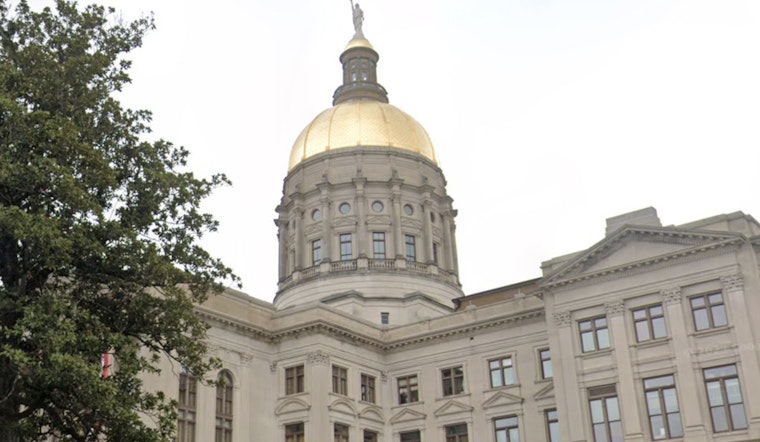
The battleground of political warfare may soon add a new front in Georgia, where legislators are angling to outlaw deepfakes used to meddle with elections. A bill, which could turn the creation of misleading AI-generated images, videos, and audio into a felony offense, aims to safeguard the integrity of the democratic process from high-tech tricksters.
State Sen. John Albers is leading the charge with a proposed legislation that would slap violators with hard time — potentially one to five years in prison — plus hefty fines up to $50,000, as reported by GovTech. The urgency of the matter is underscored by an AI-generated robocall incident in New Hampshire, where a fake Joe Biden voice told voters to "save your vote for the November election," rather than participating in the primary.
In a statement obtained by FOX 5 Atlanta, Albers emphasized the potential for such technologies to "sway elections." The proposed bill would prevent interference by ensuring outside groups cannot use a candidate's voice or likeness to concoct false narratives aimed at influencing election outcomes.
Free speech advocates, however, have voiced concerns over the bill's possible ramifications on the First Amendment. Sarah Hunt-Blackwell, a First Amendment Policy Advocate with the ACLU of Georgia, cautioned against the overreach, advocating for exceptions to be made for parodies or satirical content, and also for clarifications for media outlets. "We would like to see the felony charge removed, we would like to see exceptions included for deepfakes that are parodies or satirical," Hunt-Blackwell told FOX 5 Atlanta.
As it stands, the bill has evoked a mixed bag of reactions, with suggestions for amendments and clarifications before any advancement. The legislative tussle is a testament to the complexities of governing emerging technologies and the balance between protection against disinformation and upholding constitutional freedoms. With the eyes of the nation on pivotal elections, Georgia's lawmakers are tasked not only with setting a legal precedent but also with defining the ethical battleground of 21st-century politics.




