

























































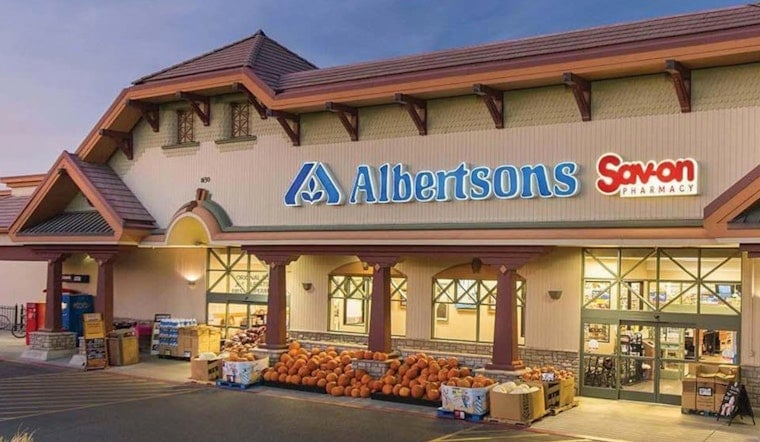
The proposed merger between grocery giants Kroger and Albertsons has been slapped with a lawsuit by the Federal Trade Commission (FTC). The antitrust suit, backed by a bipartisan group of nine attorneys general, aims to block what has been termed the largest supermarket merger in American history, as reported by FOX 2 Detroit.
According to the FTC, the $24.6 billion deal would stifle competition, leading to higher grocery prices and lower quality products for millions. The loss of competition is feared not only to harm consumers' wallets but also to endanger the livelihoods of thousands of grocery store workers. In a lawsuit rife with concerns, the Commission asserts that a merger would "immediately erase aggressive competition" for better wages and improved working conditions. Professor Michael Greiner of Oakland University, in a statement obtained by FOX 2, cheers the FTC's move, indicating that increased antitrust enforcement has been widely advocated in academic circles.
On the flip side, both Kroger and Albertsons dispute the FTC's allegations. They argue that joining forces would actually benefit consumers by lowering prices and improve employee wages, as pointed out in their separate statements to FOX 2. Moreover, Kroger's statement contends that the lawsuit has the potential to make matters worse, asserting, "The FTC’s decision makes it more likely that America’s consumers will see higher food prices and fewer grocery stores at a time when communities across the country are already facing high inflation and food deserts."
The merger, if finalized, would unite over 5,000 stores and nearly 700,000 employees under one corporate banner stretching across 48 states. This mammoth conglomeration, the FTC warns, would drown out the battle cry for competitive wages and erase the drive for quality services that currently benefits consumers. "you are basically creating a monopoly in grocery with the merger," reportedly stated an executive in response to the proposed deal. Amidst objections, Kroger and Albertsons' leaders have conceded in the past that the two companies are "direct competitors," which has spurred them to vie for customers through lower prices and employees through better compensation.
The FTC has also dismissed proposed divestitures by Kroger and Albertsons as "inadequate." The regulatory body fears that the sale of several hundred stores to C&S Wholesale Grocers will not sufficiently maintain the competitive environment that exists today. The suit, which follows the FTC’s issuance of an administrative complaint, is supported by attorney generals from a spectrum of states ranging from Arizona and California to Maryland and Wyoming. The comprehensive details of the FTC charge can be found on the FTC’s website.





