

























































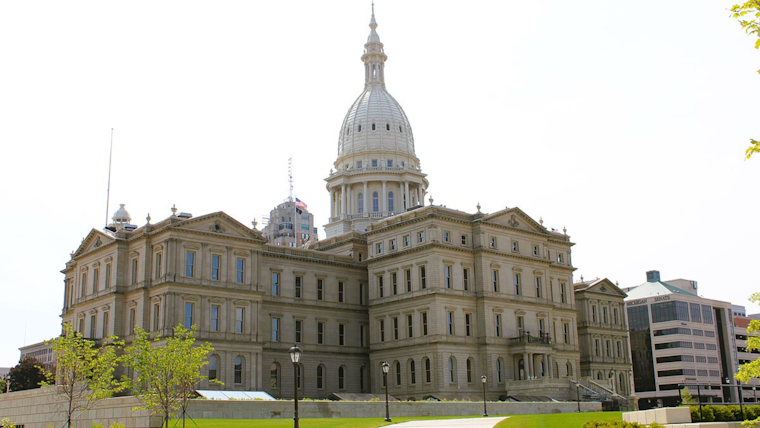
Michigan has ushered in a sweeping set of new laws this Tuesday, marking significant changes in policies regarding gun safety, labor rights, LGBTQ+ protections, and more. After an early adjournment last year, the laws came into effect 91 days after post legislature’s shutdown, as reported by ClickOnDetroit.
A poignant development comes on the anniversary of the tragic Michigan State University shooting. A series of gun safety measures are now in place including universal background checks, safe storage requirements, and red flag laws intended to prevent access to firearms by those deemed a risk to themselves or others. "Our actions today will save lives tomorrow," Gov. Gretchen Whitmer was quoted by CBS Detroit following the laws' passage last year.
Michigan's labor landscape is also transformed, as the state becomes the first in decades to repeal the right-to-work laws, a maneuver allowing workers in unionized workplaces to forego paying union dues. This repeal is aligned with party interests having seen zero support from Republican lawmakers, detailed by the Detroit Free Press. A prevailing wage law, requiring government-funded construction projects to compensate workers with union-level wages, has also been reinstated.
LGBTQ+ Michiganders gain expanded protections under the newly broadened Elliott-Larsen Civil Rights Act, which now includes clauses against discrimination based on sexual orientation and gender identity. "Our LGBTQ+ friends, family, and neighbors deserve equal protection under the law so they can live their authentic lives," Whitmer proclaimed in March 2023, as reported by ClickOnDetroit.
Meanwhile, added reproductive rights are codified through the Reproductive Health Act, reducing the hurdles faced when seeking an abortion. This follows after Proposal 3's ratification which struck down a 1931 abortion ban, a move cheered by advocates and consistently reported by CBS Detroit.
Further changes hitting the state include educational reforms, with third-grade students no longer being held back for low reading scores, and minimum wage workers receiving a nominal increase to $10.33 an hour—altogether heralding a notable shift in Michigan's socio-political fabric.


