

























































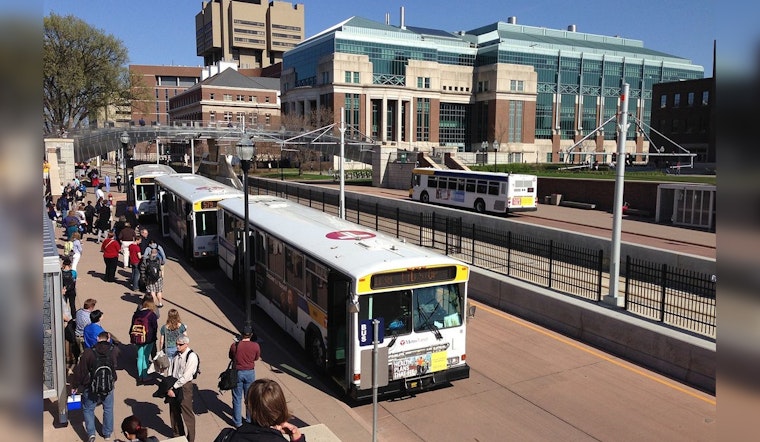
Metropolitan Council reports have emerged that regional transit ridership in 2023 has increased 16% from the previous year, clocking in 48.7 million rides. Metro Transit, the reliable workhorse of the region's system, carried nearly 45 million of those rides, with an impressive tally of over 30 million bus rides, marking a 14% jump, and a 19% surge in light rail rides to 14.7 million. The weekday average of 136,893 riders reveals that people are increasingly opting to beat the traffic, which is surprisingly good news in a post-pandemic world. The growth comes thanks to hiring waves that onto more than 400 operators last year, providing a jolt of vitality back into public transportation.
Met Council Chair Charlie Zelle said, “The strong ridership growth is due, most importantly, to our successful efforts to hire additional operators, and progress we’ve made on passenger safety and security,” he said. “Our objective is a safe and welcoming system. We’ve got more to do, but we’re seeing results and ridership growth is a strong signal that we’re moving in a good direction.”
Propelled by the December 2022 introduction of the METRO D Line, transit use across the board has seen significant spikes. This new line alone was responsible for 8.5% of Metro Transit's total rides, doubling weekday averages from Route 5's previous year. It wasn't just established commuters filling the seats; the Universal Transit Pass program—extended to all University of Minnesota students, faculty, and staff—saw rides skyrocket by 55%. And let's not forget the 2 million-plus rides by Access Pass holders, crucial for those counting on Medicare and waiver programs to make their journeys.
Transit usage trends are shifting, too; the busiest times for rider traffic now span between 3 to 4 p.m. on weekdays, suggesting that flexible work hours and academic schedules are influencing travel patterns. However, weekend journeys are growing at an even faster clip, hinting at the region's lifestyle changes. Tuesdays and Wednesdays have emerged as peak transit days, an interesting twist to the mobility saga.
The agency is on the prowl to recruit more operators and maintenance staff to bolster service reliability and meet burgeoning demand. Come spring, the metropolitan movers and shakers will be revealing a draft of the Network Now project, promising to outline further enhancements to the area’s transit services.





