

























































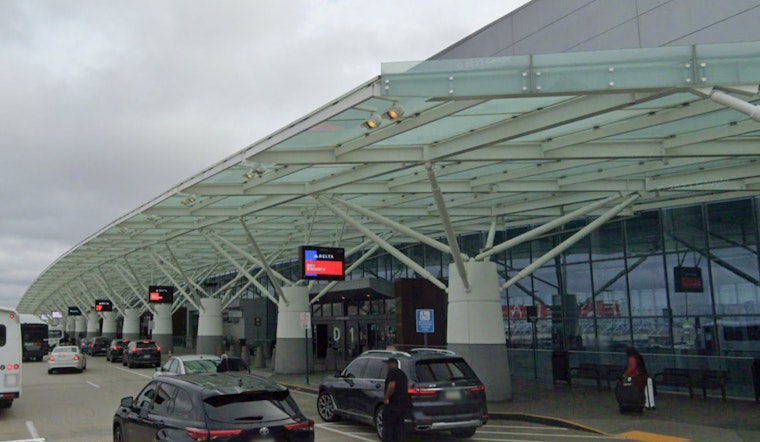
In an exercise of preparedness, Hartsfield-Jackson Atlanta International Airport conducted a large-scale emergency response drill yesterday, testing the swift actions of first responders in the face of a potential aviation disaster. The simulation, code-named "Big Bird," is not merely a voluntary display of crisis management but a direct mandate from the Federal Aviation Administration, occurring triennially to keep the emergency teams sharp and in sync with federal requirements, as reported by The Atlanta Journal-Constitution.
The exercise featured a mock aircraft-fire scenario at the airport's fire training center, engaging responders from the Atlanta Fire Rescue Department, Atlanta Police Department, and surrounding emergency units in a live-action tableau of teamwork and triage tactics. According to FOX 5 Atlanta, the task at hand wasn't just to quell the flames of a non-existent inferno but also to manage the aftermath, with over 100 volunteers masquerading as casualties, sporting "cuts, scrapes and bruises" courtesy of a makeup artist's handiwork.
"It's vital we do this, so we can work with other emergency responders across the region to make sure we maintain safety and stability," Hartsfield-Jackson spokesperson Andrew Gobeil emphasized in a statement obtained by FOX 5. Participants in the drill underwent just over an hour of simulated chaos, which everyone involved considers essential in honing the emergency response for a potential real-life crisis.
Testimony from the mock victims underlined the importance of realism. "We acted like we really were in pain or hurt. It all contributes to the rush, to make it feel like real chaos our crews would experience," said volunteer Tom Dobberke to FOX 5. This sentiment reflects the gravity with which the crew engaged the drill, simulating a level of urgency not unlike of an actual disaster. The ultimate goal: to glean what works, what falters, and to cement a plan that stands robust in the unpredictable face of emergency.
As the airport's proverbial curtain falls on this year's drill, dubbed "Big Bird," officials signal a strong vote of confidence in their capabilities. The next simulation won't take place for another three years, but the meticulous dissection of this year's practice will likely reverberate through the protocols and preparations of Hartsfield-Jackson, keeping them grounded in the pursuit of passenger safety and institutional readiness.





