

























































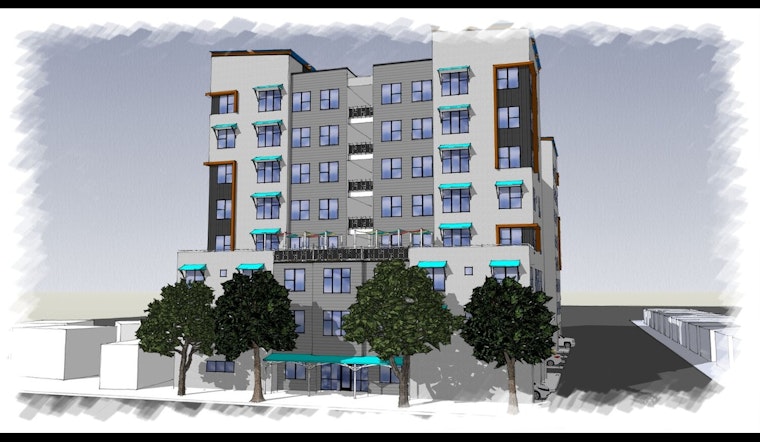
Austin's affordable housing game just got a $50 million boost, courtesy of the city's Housing Finance Corporation Board. This cash infusion is earmarked for powering nine developments that promise to deliver 1,068 rental and 51 ownership opportunities for income-qualified residents across several Austin districts, with move-ins slated from 2024 to 2027. This move comes as a strategic initiative by the Austin Housing Finance Corporation, a public non-profit working hard to ensure low and moderate-income citizens get a fair crack at decent living spaces.
In an obtained statement by the City of Austin, Mandy DeMayo, Interim Director for the Housing Department, laid it out simply: “Each development and each new unit of affordable housing creates opportunity for Austinites.” DeMayo also made a case for improved overall community health, economic growth, and a socially diverse and robust neighborhood fabric as direct benefits of these housing strides.
The nuts and bolts of the funding include spots like Balcones Terrace in District 7, a hotel-to-housing conversion nodding to 123 units for the formally homeless; and Cairn Point at Montopolis in District 3, a 150-unit senior supportive housing haven, according to the City’s press release. These projects are just the tip of the iceberg, with others like the Escuela Nueva development and Mary Lee Square also in the pipeline, promising a mixed bag of new constructions and upgrades to existing properties to bolster accessibility and affordability citywide.
Complementing downtown living, Seabrook Square II in District 1 is lining up all 60 of its units to the earning bracket at or below 30% of median family income, ensuring even the most economically challenged get a fair shot at quality housing. James May, Housing and Community Development Officer spoke to the harmony between innovative funding approaches and pivotal regional partnerships, signaling this holistic planning as key to affordable housing’s future.
Putting it all into perspective, the city's Housing Blueprint hatched back in 2017 tagged 135,000 housing units over a decade for an inclusive housing market. That roadmap charted a course for the creation of 60,000 units for earners below the 80% median family income threshold. The City of Austin has commendably outpaced its goals set within its jurisdiction, wielding tools like federal funds, density bonus programs, and a slew of General Obligation Bonds, all detailed in a recent city memo and outlined in the strategically planned Housing Blueprint from previous years.
Those interested or depending on affordable housing can get their digital hands-on resources at the city's housing website. As for the Austin Housing Finance Corporation, they continue their work as a pivotal gear in the city's engine, driving strategic housing solutions for Austin’s less affluent neighborhoods.





