

























































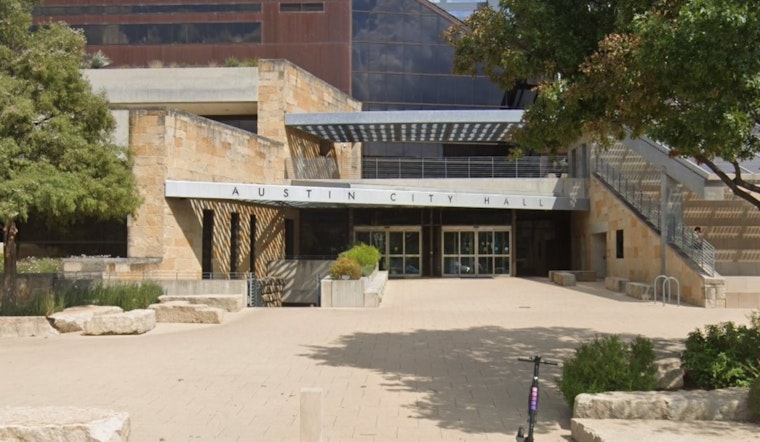
In an attempt to give the Big Apple a countryside touch, the Austin City Council has given a green light to a revised initiative that boosts housing density, leaning on key elements from the now-defunct Vertical Mixed Use 2 (VMU2) ordinance. This effort rides on the back of a December court ruling that tossed out several changes to the City's Land Development Code.
The newly approved DB90 program champions the creation of more residential spaces by allowing commercial properties that transition to housing to stack up to an imposing 90 feet. The program is not limited to areas around core transit corridors, making it a larger endeavor than its VMU2 predecessor, and each project under DB90 must wade through the zoning process, obtaining nods from the Planning Commission and the City Council this process is a salute to prior court losses where the city tripped over not properly alerting neighbors about impending changes to their neighborhoods, according to the Austin Monitor.
Under the DB90 scheme, rental developers are required to earmark 10 percent of their units for those earning 50 percent of the Area Median Family Income (MFI), translating to $58,400 for a family of four, or 12 percent at 60 percent MFI, clocking in at $75,900 for a family of four. Those looking to sell must ensure 12 percent of their homes are affordable for buyers at 80 percent MFI - that's $93,450 for a family of four.
Mandy DeMayo, the interim Housing Department director, articulated that an examination conducted by the staff forecasts a benevolent wave on housing costs and subsidized affordable housing from the DB90 program while anticipating a neutral effect on the costs of development. Still, Monica Guzmán of Go Austin/Vamos Austin warns that such development in East, North, and South Austin could exacerbate gentrification and dislodge low-income residents while replacing some community staples with mostly market-rate developments. These concerns stem from the impact such programs have historically had on East Austin as a result of discriminative zoning patterns and such rapid change without robust affordability measures, signifying a continuation of exploitative patterns, Guzmán told the Austin Monitor.
Amid these contentious tides, Council Member Chito Vela argues that expansive housing policy is key to curbing housing prices, citing the city's remarkable feat in leading the country in apartment construction in 2023 and the subsequent dip in rents as evidence, "Austin in 2023 built more apartments than any other city in the United States, and we are seeing rents dropping in Austin because of that. That's not a coincidence. We need more housing of all types, we need better public transportation so people can get around without a vehicle and we need more market-rate units. We need more subsidized units and we need more permanently supportive housing," he enthused to the Austin Monitor.
The maneuvers to modify the housing landscape in Austin continue to set forth complex discussions intertwining affordability, density, and neighborhood preservation. The Austin Monitor has made it clear that this recent ordinance adjustment is just the latest chapter in the city's ongoing infrastructure saga, and it's funded by donations, eschewing any editorial-business entanglement, as they have meticulous separation practices and a transparent donor list available to the public.





