

























































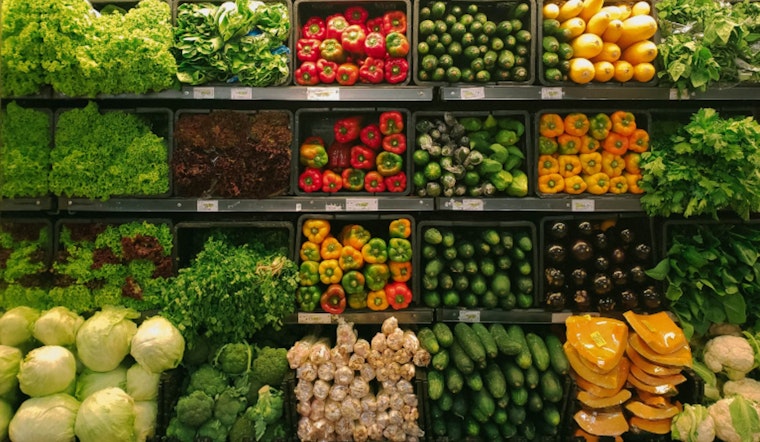
Residents in Austin's Eastern Crescent are putting pen to paper to map out a blue-collar food revolution. The grassroots movement, sparked by the need for affordable groceries, is laying the foundations for the city's very own food co-op, a community-owned grocery store. This initiative follows years of outrage over exorbitant prices at local mini-marts and the absence of major grocery chains in the area. These co-op conversations are the rays of hope for residents tired of waiting for supermarkets to cater to their neighborhoods, according to Austin American Statesman.
Leading the charge for change, Del Valle denizens like Lupita Salazar see the co-op as a way to "make ourselves rich" rather than lining the pockets of big chains like H-E-B, which has been sitting on local property for years with vague promises of development. Efforts are young but backed by the will of the people, and the support of city representatives. As per Austin American Statesman, meetings have been held in people's homes, like that of Sandra González, where the concept of a store owned and controlled by the community isn't just a pipe dream—it's a battle plan.
As the financial blueprint of the co-op is still on the drawing board, with estimates ranging from $5 million to $10 million, other models such as food trucks and food distribution clubs are also being discussed. The long-range financial plans for the store, once the initial city funds are depleted, remain in the realm of uncertainty. Drew de los Santos, executive director of the Austin Cooperative Business Association, is already involved in crafting those financial plans—a pivotal piece in a puzzle looking to assemble 300 pledges and a robust analysis to unlock additional funding.
Echoing the sentiment of a national movement, this Austin initiative is part of a broader call for change. It's a stand against what some call 'food apartheid,' linking the absence of healthy food from low-income and minority communities to historical injustices. Looking at the success stories of similar projects, such as Gem City Market in Dayton, Ohio, and the upcoming Detroit People's Food Co-op, these community-run stores aren't just outliers—they're potential blueprints for a future where grocery shopping doesn't come with a hefty side of disenfranchisement.
The leap towards self-sustenance is a laborious one. As Lulú Martínez, another Del Valle resident said, "I know that it's not easy, that it'll take a lot of hard work … a lot of time." Yet, the drive to move forward is palpable as community members envision shopping in their own store, where the prices are fair, and the products are healthy, affirming their belief that, indeed, "Something has to be done," in a statement obtained by Austin American Statesman.





