

























































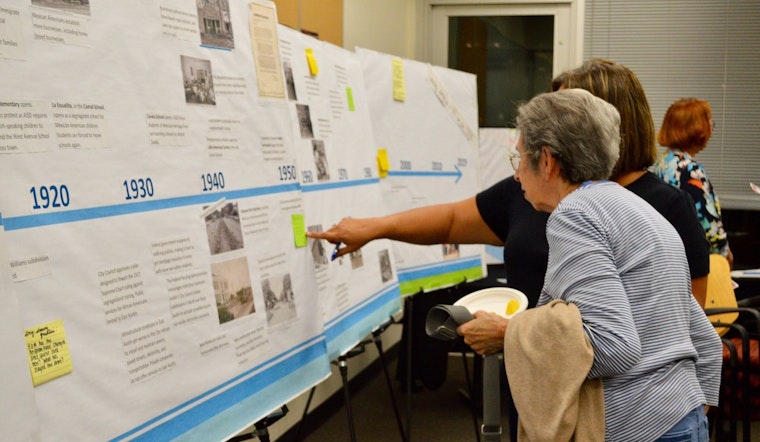
Austin's Planning Commission was briefed on a draft that's taken a hard look into the city's past with an eye for equality. The Equity-Based Preservation Plan, aiming to update a decades-old approach, includes over 100 recommendations for honoring all facets of Austin's historical tapestry.
Hatching from a three-year dive into the city's story, the working group responsible for the draft brought perspectives from 19 ZIP codes and a one-third representation of Austin's renters, according to architect Ben Heimsath, the chair of the Austin Historic Landmark Commission. Heimsath revealed at the commission's March 12 meeting that the plan pushes for citywide preservation inclusivity, prioritizing narratives from often overlooked communities, in a statement reported by the Austin Monitor.
Breaking down the plan's three main themes, Cara Bertron of the city's Historic Preservation Office highlighted the aspirations to capture the full scope of Austin's complex history through active community engagement. The ambition is to deepen the character of what's preserved by listening to the needs of locals and subsequently reflecting that through interpretation.
In her discussion with the Planning Commission, Bertron emphasized the nuts and bolts of preservation, focusing on making the city's processes more strategic and effective given the finite nature of municipal resources. Alberta Phillips, a commissioner who found a stark imbalance in historic designations tied to cultural communities several years ago, shared her optimistic outlook on the plan's potential to address those disparities. Reflecting on the scant recognition of African American and Latino historical sites, Phillips told the Austin Monitor, "I see this plan very optimistically as a way of getting at that deep inequity."
As Austin confronts its problematic past, questions arose about addressing sites with controversial histories. Commissioner Awais Azhar probed for guidelines in the plan that could reconcile the worthiness of preserving structures against their troubled legacies. With the draft plan silent on such guidance, Bertron acknowledged the complexity and promised to bring the issue back to the working group for further consideration.
The draft plan will face a Planning Commission vote this coming fall, as the city moves toward reconciling its architectural legacy with a more inclusive historical narrative. The efforts of the working group and hopes of commission members like Phillips and Azhar reflect a keen urgency to safeguard historical sites amid a rapidly changing urban landscape.





