

























































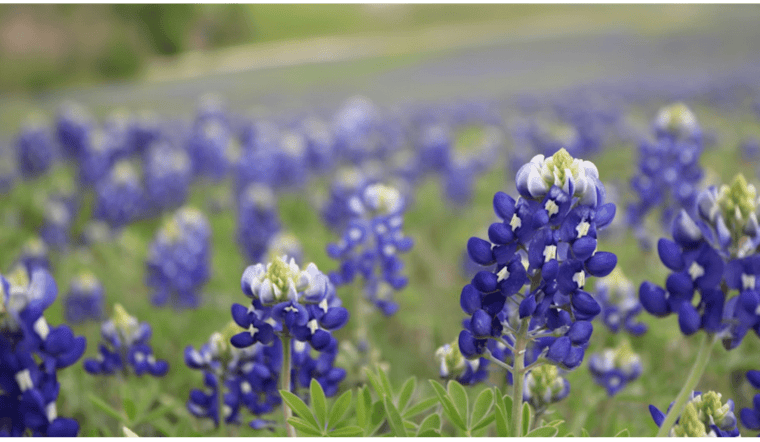
As the spring air ushers in a new season, the iconic Texas bluebonnets are making their anticipated roadside appearance across Central Texas highways. The blooms are off to a promising start this year, with a peak expected in early to mid-April. This floral spectacle is no accident; it's the result of the Texas Department of Transportation's (TxDOT) wildflower program, which has been fostering native flora alongside state roadways for nearly a century, according to KXAN.
This calculated bloom is backed by a program that TxDOT sews approximately 30,000 pounds of wildflower seeds each year, at places dating back to its inception in 1917 when the Texas Highway Department was created. Experts at the Lady Bird Johnson Wildflower Center confirmed that postponement of mowing until after the wildflower season has allowed these blooms to proliferate, a strategy implemented since 1934 under the guidance of landscape architect Jac Gubbels, as per KXAN.
While the vibrant fields provide a perfect backdrop for springtime photos, the Texas Department of Safety reminds travelers that, although it's not illegal to pick the state flower, damaging or destroying government property is. Shawn Kelley from Texas A&M Central Texas warned in a KWTX statement about hidden dangers among the flowers, such as venomous snakes and insects. The safety advice is to always be aware of your surroundings.
For those looking to partake in the state's wildflower tradition without the risk of unexpected critters, Rachel Glass of the Texas Master Gardeners recommends planting your bluebonnets. In a statement obtained by KWTX, she advises "When you plant bluebonnets, the tricky thing is their shell is really hard, that’s why you need to plant or put the seeds out in fall." Glass's suggestion promotes the safe and sustainable enjoyment of Texas's beloved bluebonnets.




