

























































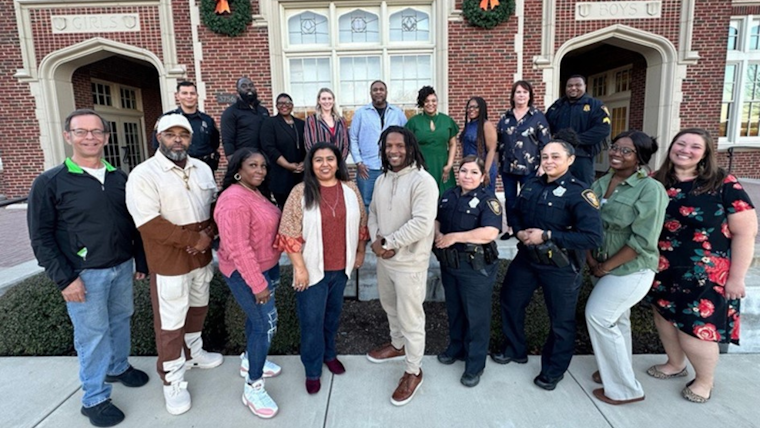
In a bid to soothe frayed ties between the Fort Worth community and its law enforcement officers, the Office of Police Oversight Monitor (OPOM) has unfurled a new mediation program. The program, a fresh initiative by the city, brings community members and police into mediated conversations, where they can air grievances and foster mutual understanding in a structured, non-adversarial setting, according to the City of Fort Worth.
The importance of such a program is underscored by rising national tensions and the acute need for improved community-police relations, with this initiative offering a proactive approach to conflict resolution OPOM aims to bridge the gap between law enforcement and the community, providing a confidential space where each side can share their perspectives and develop empathy, while aiming to address conflicts and building a stronger, more positive collaboration between police and the very people they swear to protect and serve.
Mediation is not a new concept and has been successfully integrated into various other cities — including Denver, New Orleans, and Miami — with reported improvements in perception and willingness to engage by both law enforcement and community members; Fort Worth now joins the ranks of these progressive municipalities aiming for peace through dialogue. In the training provided by OPOM, 12 community mediators and four police officer ambassadors were equipped with 45 hours of classroom learning in the inclusive model of mediation, which emphasizes diverse ideas, emotional expression, and participant collaboration, garnering active listening, empathy, and cultural sensitivity skills.
Looking ahead, the selected mediators are not done learning—they are slated for an additional five hours of training in the coming weeks, which will involve live observation of mediations and continuing participation in roleplay exercises aimed at enhancing their understanding of the unique challenges officers and civilians face in Fort Worth, which is part of the holistic approach being taken by OPOM to ensure the program's efficacy and to foster a more collaborative and understanding atmosphere within the community.





