

























































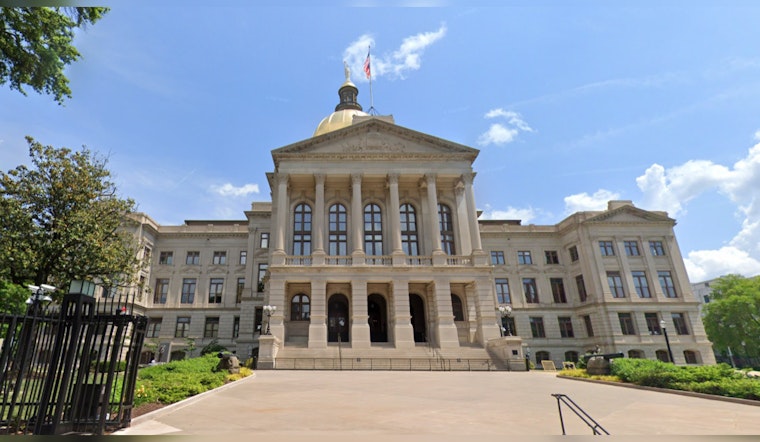
The Georgia State Senate is pushing forward with plans to make developers cough up cash for education. Last week, they passed two bills aimed at getting builders to fund the construction of new schools in rapidly expanding counties.
Under Senate Bill 208 and Senate Resolution 189, developers in counties like Forsyth might have to start paying impact fees to help bear the burden of educational growth. The controversial legislation, sponsored by Sen. Greg Dolezal (R-Cumming), is looking to quickly get developers to help offset the strain that new housing and commercial projects are putting on local schools. "Developer impact fees for schools have long been discussed by my Forsyth constituents," Dolezal said, according to a statement obtained by Senate Press.
The move by the Senate is a bid to directly link the bustling construction sector with the funding of educational facilities. SR 189, if given the green light by voters come November, would change the Constitution to empower local boards to impose and collect these fees.
Dolezal, expressing his satisfaction over the bill's passing, emphasized the importance of this legislation for the state's education system. "I am pleased to announce the passage of both SB 208 and SR 189 through the Senate last week, vital measures that will positively impact our state's education for generations to come," Dolezal told Senate Press. The bills will now move to the Georgia House of Representatives for consideration, where Rep. Todd Jones (R-South Forsyth) will take the lead to seemingly shepherd them through to law.
If the House gives the nod, Georgian voters will be the ultimate deciders of whether this bill becomes law. With eyes fixed on November, the vote could usher in a new era where developers are held accountable for supporting the communities they profit from. Meanwhile, homeowners sit tight with the promise of potentially lower taxes if these fees can alleviate some of the fiscal pressures on local governments.





