

























































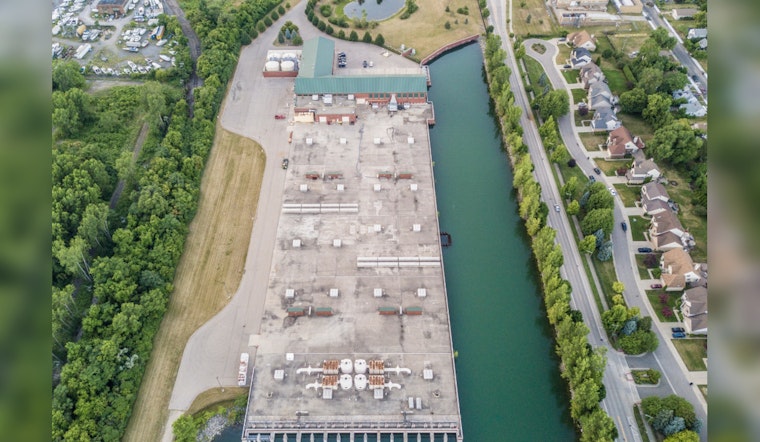
Residents and businesses in southeast Michigan are set to witness a hike in their water and wastewater service charges this summer. The Great Lakes Water Authority (GLWA) has approved a 3.25% increase for water and a 3% hike for wastewater services effective July 1, as part of the fiscal 2025 and 2026 biennial budget. According to a statement obtained by CBS Detroit, the budget for FY 2025 rounds up to $906 million, reflecting a $35 million rise from the previous fiscal year.
While some homeowners might be bracing for a steeper spike on their bills, the agreed increases fall below the previous year's 4.1% consumer price index for all urban consumers, touted as a common measure of inflation. As reported by The Detroit News, the service charges do not represent the totality of water expense on local bills, since added municipal costs factor greatly into the final amount paid by property owners.
GLWA CEO Suzanne R. Coffey remarked on the balance the authority seeks to find between financial sustainability and public affordability. "As in previous years, the main force guiding our budget and charge development has been our promise to do everything within our power to balance the regional system’s budgetary needs with overall affordability concerns," Coffey said in a statement reported by CBS Detroit. She emphasized that each decision is weighted with its future impact, the environment, and constituents in mind.
Nicolette N. Bateson, GLWA's CFO and treasurer, acknowledged the financial squeeze the authority is facing, as reported by Informed Infrastructure. Despite revenues not keeping up with expenses, particularly since the onset of the pandemic, Bateson assured that the utility is not stalled on initiatives aimed at advancing resilience and effectiveness. The overall increase still remains below the consumer price index, despite the fact that Highland Park bad debt expense is not included in the FY 2025 charges.
This step towards adjusting service charges speaks to the larger narrative of a region grappling with the economic aftermaths of a global health crisis, and the reality of a declining infrastructure that demands continual investment. However, GLWA assures that the measures taken are part of an overarching strategy to bolster the system's resilience for the future while sharing the fiscal burden as judiciously as possible.


