

























































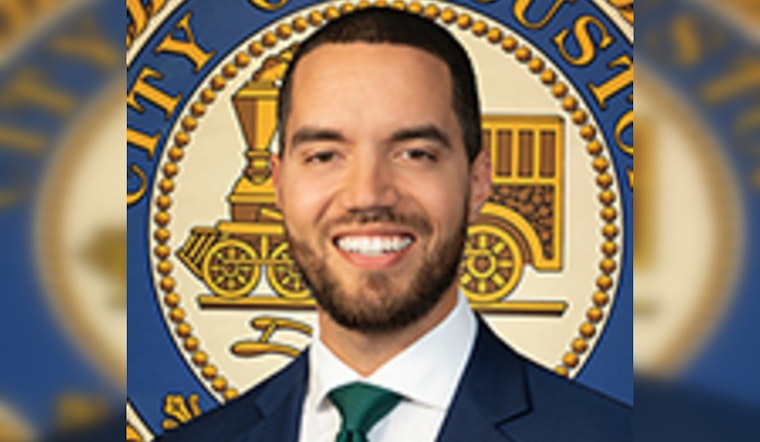
The power play continues in Houston's City Hall as the newly minted City Controller Chris Hollins puts a pause on a hefty $150 million vote intended to overhaul George Bush Intercontinental Airport's Terminal B. The project, which has been a point of contention since the previous administration, has hit another snag due to Hollins' refusal to sign off on the funds—an echo of his predecessor's hesitancy.
Hollins, who took office after a decisive runoff victory last month, is facing down a $2.6 billion proposal that aims to revamp the terminal with 40 new gates, an upgraded ticket lobby, a modern baggage system, among other amenities. The city's slice of the pie is chiseled at $624 million, according to The Houston Chronicle, and while Houston Mayor John Whitmire places faith in the plan, Hollins is applying the brakes, not yet satisfied with the due diligence done on the project.
This stumble at the city's funding gate comes as no surprise for those who've tracked the project's history. The former Controller Chris Brown had previously blocked the same financial commitment, calling the proposal's rushed nature into question. As a senior adviser for Mayor Whitmire now, Brown continues to champion the call for an updated feasibility study before giving the green light to significant city bond debt.
Is the project a golden ticket to the city's economic boosterism or a potential pitfall for city finances? It's a narrative drafting in the halls of governance, as arguments are wielded over the transaction's merit. Hollins, tasked with auditing and ensuring the availability of city funds, stated in his inauguration, "We’re going to be focused on accountability," a sentiment he echoed during his campaign. In an interview with Houston Public Media, he expressed a desire for greater efficiency and transparency within city departments.
The contentious venture has reached a pivotal juncture with recent leadership changes at Houston Airports and Mayor Whitmire's advocacy for the project's benefits. Jim Szczesniak, the new director installed by Whitmire, is championing the overhaul for its estimated 25% return on investment. He argues that the project offers an "elevated passenger experience" and advances Houston's "strategic investment in Houston's economic future." Nevertheless, Hollins remains a critical gatekeeper, tasked with ensuring that fiscal prudence is not side-stepped in the rush to renovative splendor.
While the battle lines may seem drawn, the endgame is ultimately the economic health and vitality of Houston. Hollins has his ear to the ground, listening keenly to the heartbeat of the city's financial lifelines, knowing full well the gravity of the decisions resting upon his shoulders.





