

























































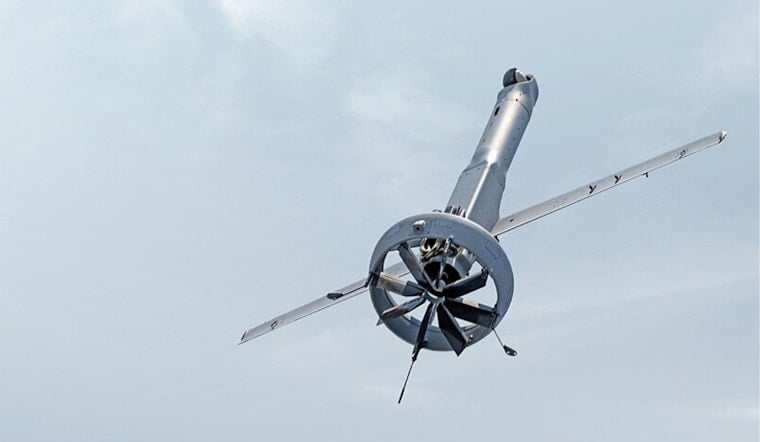
A routine drone training exercise off the Texas coast turned into a medical emergency on May 12, when a Romanian Naval Forces officer suffered severe hand injuries after her hand was caught in the spinning propeller of a Shield AI V-BAT unmanned aircraft. The previously unreported mishap cost her two fingers, left a third fractured and required multiple surgeries, adding fresh heat to ongoing scrutiny of the V-BAT platform and the San Diego-based startup behind it.
How the incident surfaced
The case came to light in a Reuters investigation published in early June, which drew on internal company documents, a whistleblower complaint and interviews with former employees. Romania’s Digi24 reported that the officer underwent operations to reattach her fingers on May 12 and May 16 at University Medical Center New Orleans, then was transferred to Walter Reed in Maryland for further treatment.
Shield AI's response
Shield AI has pushed back on any suggestion that the V-BAT itself is to blame. The company told reporters the May 12 accident stemmed from a violation of established safety procedures, not from a product defect, and publicly defended the aircraft’s track record. In a statement cited in coverage, Shield AI said the V-BAT has logged thousands of flight hours and “remains one of the most operationally proven VTOL aircraft in service today.”
Investigative thread: crashes and whistleblower claims
The broader investigation paints a more complicated safety picture. Shield AI’s internal V-BAT fleet has suffered more than 50 crashes over roughly 18 months, and some employees who raised air-safety concerns either left the company or were dismissed, according to Digi24’s summary of the Reuters reporting. A whistleblower complaint filed in May alleges that internal mishap reports were edited to present a more favorable picture of V-BAT reliability.
Contract, probe and the fallout
Romania’s Naval Forces, which signed a roughly 30-million-dollar contract for V-BAT systems last year, says the deal is still in place while the Ministry of National Defense investigates the Texas accident. Officials have described the probe as ongoing and have warned against drawing final conclusions before medical and legal reviews are complete, according to Informat.ro and other outlets.
For now, the Texas training mishap joins a growing list of safety questions surrounding Shield AI’s flagship drone, and former staff as well as industry observers say it is likely to prompt military customers and regulators to take a harder look at how the system is tested and deployed. Analysts note that the next key developments will be the Romanian ministry’s findings, along with any formal investigations or legal actions that emerge from the whistleblower filings and the incident itself.





